
A connector that performs well in a lab sample test does not automatically perform well in real working conditions. Actual environments introduce vibration, heat, humidity, dust, repeated insertion, bending stress, and current fluctuation that may not appear in controlled evaluation. For procurement teams, the key question is not whether the connector can pass a standard test once, but whether it can remain reliable where the final product is truly used.
Real Environment Review: Temperature, Vibration, Humidity, And Contamination
The first step in verifying real-world reliability is to define the actual operating environment. Buyers should understand whether the connector will face continuous vibration, outdoor humidity, high temperature, temperature cycling, dust, oil mist, or corrosive contaminants. Different environments stress the connector in different ways. A connector used in medical electronics, industrial control, smart home devices, and automotive assemblies will not face the same reliability demands. Procurement becomes much safer when the environmental profile is translated into clear selection and testing conditions.
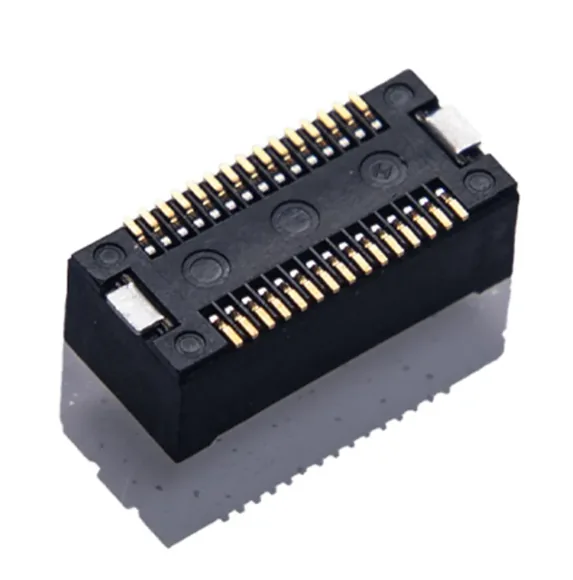
Functional Reliability: Mating Force, Contact Stability, And Signal Integrity
Real performance also depends on whether the connector remains functionally stable during use. Buyers should look beyond simple continuity and check mating force consistency, contact resistance change, terminal retention, signal integrity, and thermal behavior under load where applicable. In high-density or high-speed designs, even subtle instability may lead to communication errors, intermittent failure, or overheating. A connector should not only connect successfully on day one, but continue performing after repeated cycles and operational stress.
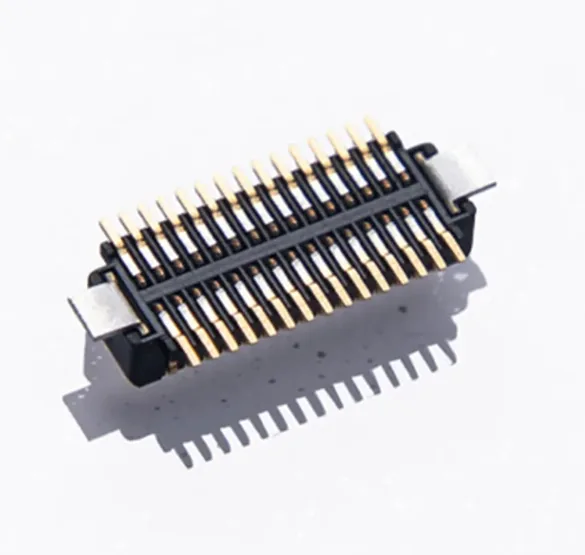
Test Simulation, Application Samples, And Long-Term Validation
Reliable procurement decisions are stronger when sample evaluation reflects actual use. Buyers should prefer test plans that simulate real insertion cycles, cable motion, load conditions, and environmental exposure instead of relying only on basic standard reports. Application-level validation, pilot assembly, and limited pre-production testing can reveal hidden weaknesses early. Long-term reliability is easier to judge when the connector is evaluated under realistic conditions rather than only under ideal test-room assumptions.
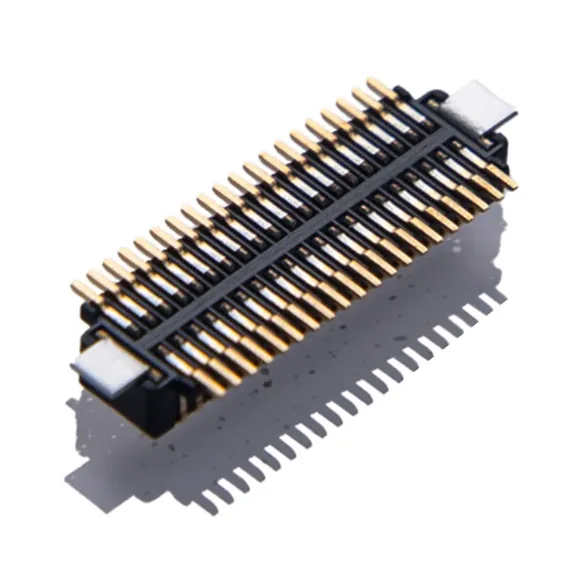
Related product and article resources
For procurement comparison and technical evaluation, readers can continue with these related product pages and supporting articles.
Real working reliability is not proved by one report or one sample. It is proved by how well a connector matches the actual environment, remains functionally stable, and survives realistic simulation over time. Procurement decisions based on real-use validation are always more dependable than decisions based only on paper specifications.
Related connector categories for evaluation: Board To Board Connectors and Floating Board To Board Connectors. Related reading: how to evaluate connector suppliers for long term production stability. More context: manufacturing and quality.