
Automotive PCB Connector Manufacturer For ECU And Sensor Modules
Automotive PCB connectors used in ECU and sensor modules must provide stable signal transmission, vibration resistance and long-term reliability in harsh vehicle environments. Choosing an experienced automotive PCB connector manufacturer helps reduce assembly risks, improve vehicle electronics stability and support long-term OEM production requirements.
Get QuoteWhy Automotive PCB Connectors Require Higher Reliability
Automotive electronic systems operate under vibration, temperature fluctuation, humidity and long service life conditions. Poor connector quality may cause unstable signal transmission, sensor communication failure or ECU malfunction.
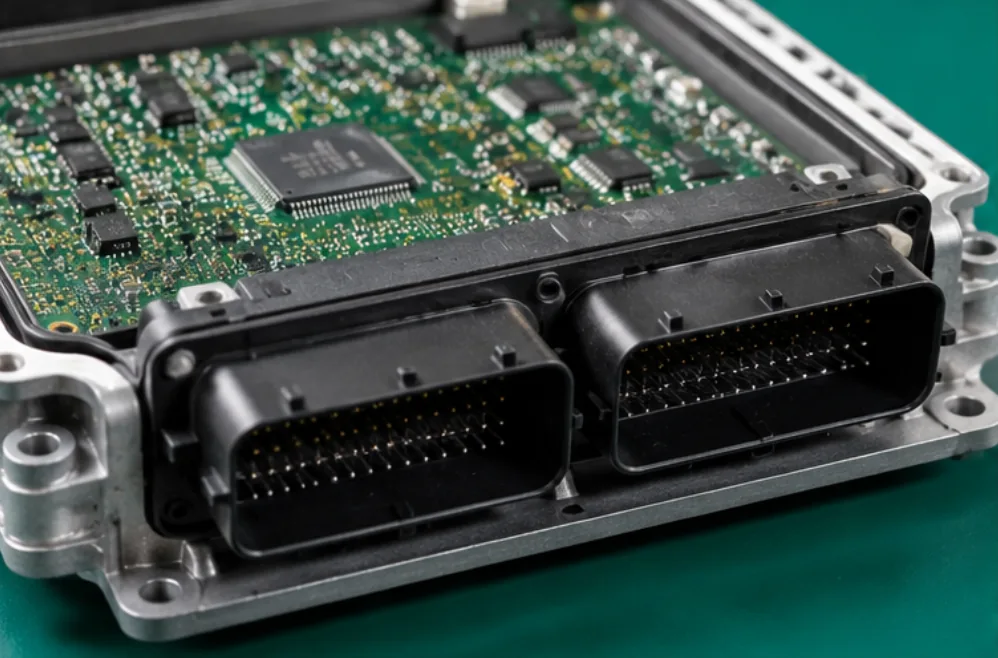
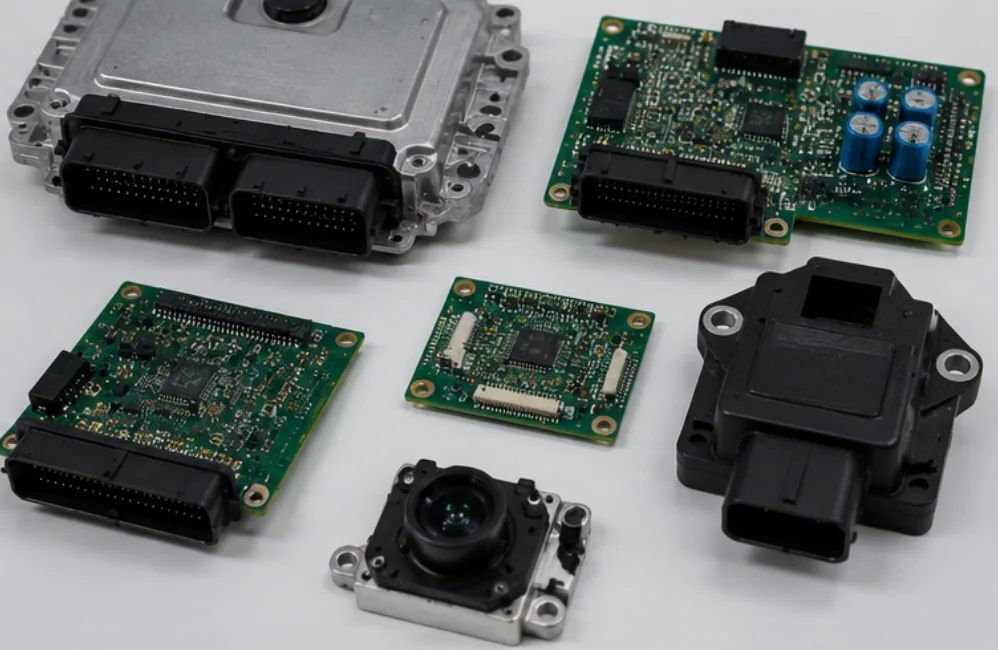
Automotive PCB connectors are widely used in ECU modules, BMS systems, ADAS sensors, vehicle camera systems, radar modules, lighting control units and smart cockpit electronics. For these applications, stable contact and production consistency are extremely important.
Key Specifications Buyers Should Confirm Before RFQ
Before requesting a quotation, buyers should confirm pitch, pin count, current rating, voltage rating, PCB layout, mating structure and environmental requirements. These specifications directly affect connector design, tooling and production cost.
For ECU and sensor applications, vibration resistance and low contact resistance are especially important. Buyers should also confirm whether the connector is used for power transmission, signal transmission or mixed applications.
Material, Plating And Vibration Resistance
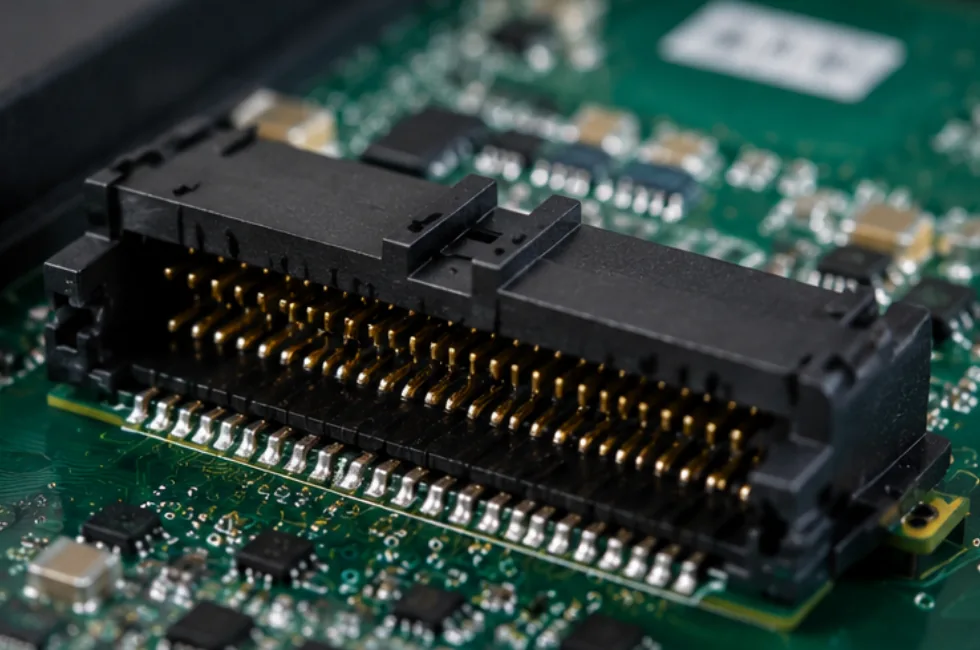
Automotive PCB connectors usually use copper alloy terminals for conductivity and mechanical strength. Gold plating is commonly selected for stable signal transmission and corrosion resistance, while high-temperature plastic housing improves durability under automotive operating conditions.
For high vibration environments, locking structure, insertion force and terminal retention must be carefully evaluated. Stable mechanical structure helps prevent signal interruption during long-term vehicle operation.
What Buyers Should Check In A Manufacturer
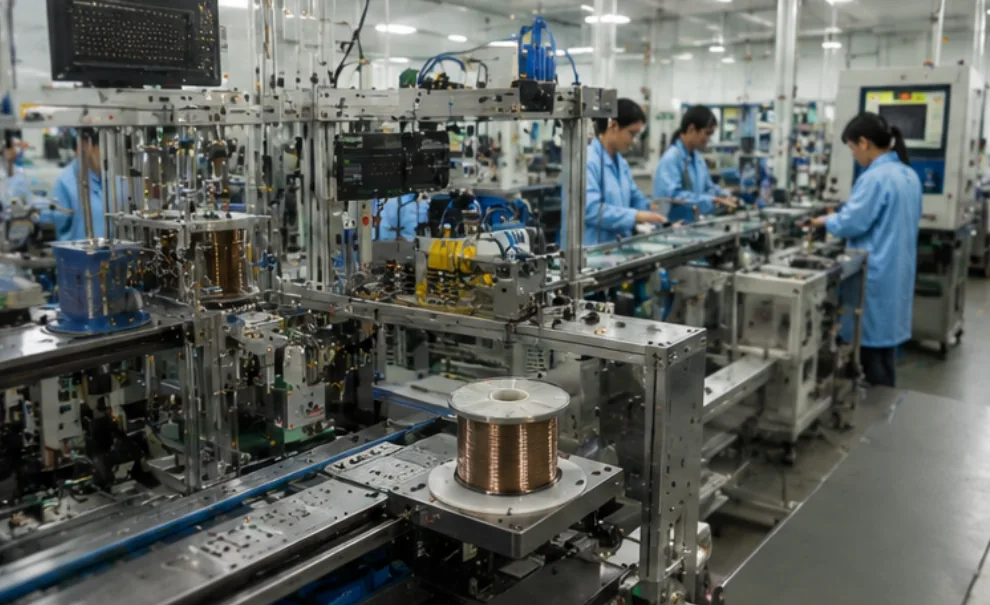
A reliable automotive PCB connector manufacturer should support precision stamping, injection molding, automated assembly, plating inspection and complete quality control processes.
Buyers should confirm sample support, mold capability, testing reports, batch traceability and long-term production stability before mass production approval.
Automotive PCB Connector RFQ Checklist
| Information Needed | Examples | Why It Matters |
|---|---|---|
| Application | ECU, BMS, ADAS, camera module | Determines reliability requirements |
| Pitch And Pin Count | 0.5mm, 0.8mm, custom pin count | Affects PCB layout and circuit density |
| Electrical Requirement | Current, voltage, signal speed | Ensures stable signal transmission |
| Material And Plating | Copper alloy, gold plating, high-temp plastic | Affects durability and reliability |
| Testing Requirement | Vibration, thermal cycling, insertion force | Reduces field failure risk |
| Project Demand | MOQ, sample quantity, annual demand | Helps calculate accurate quotation |
Conclusion
Automotive PCB connectors for ECU and sensor modules require stable signal transmission, strong vibration resistance and reliable mass production quality. Buyers should confirm application environment, PCB layout, electrical requirements and testing standards before ordering.
Related product and article resources
For procurement comparison and technical evaluation, readers can continue with these related product pages and supporting articles.
If you need automotive PCB connectors for ECU modules, BMS systems, vehicle sensors or automotive electronics projects, please send your drawings or specifications for quotation and engineering support.
Contact UsRelated connector categories for evaluation: 05mm Pitch Automotive Board To Board Connectors and 04mm Pitch Automotive Board To Board Connectors. Related reading: board to board connector pitch and stack height selection guide.