

Floating Board-to-Board
Connector families with alignment tolerance for stacked boards.
Browse subseries
Connector portfolio
Filter by family, pitch, stack height and contacts. Confirm the exact variant with engineering.
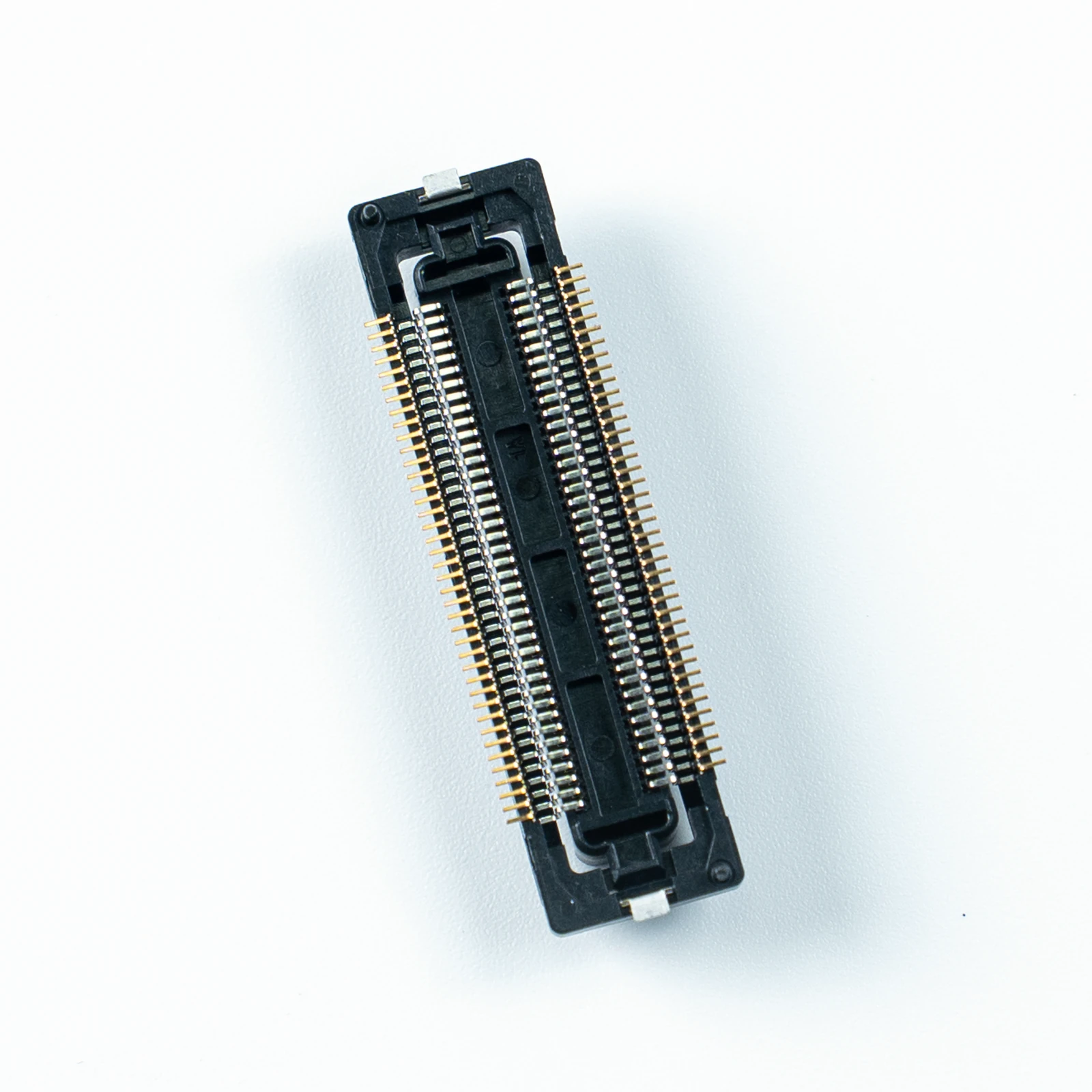
CBB020-80S1F-01
- Pitch
- 0.5 mm
- Contacts
- 80 pin
- Mated height
- 4.75 mm
- Termination
- SMT
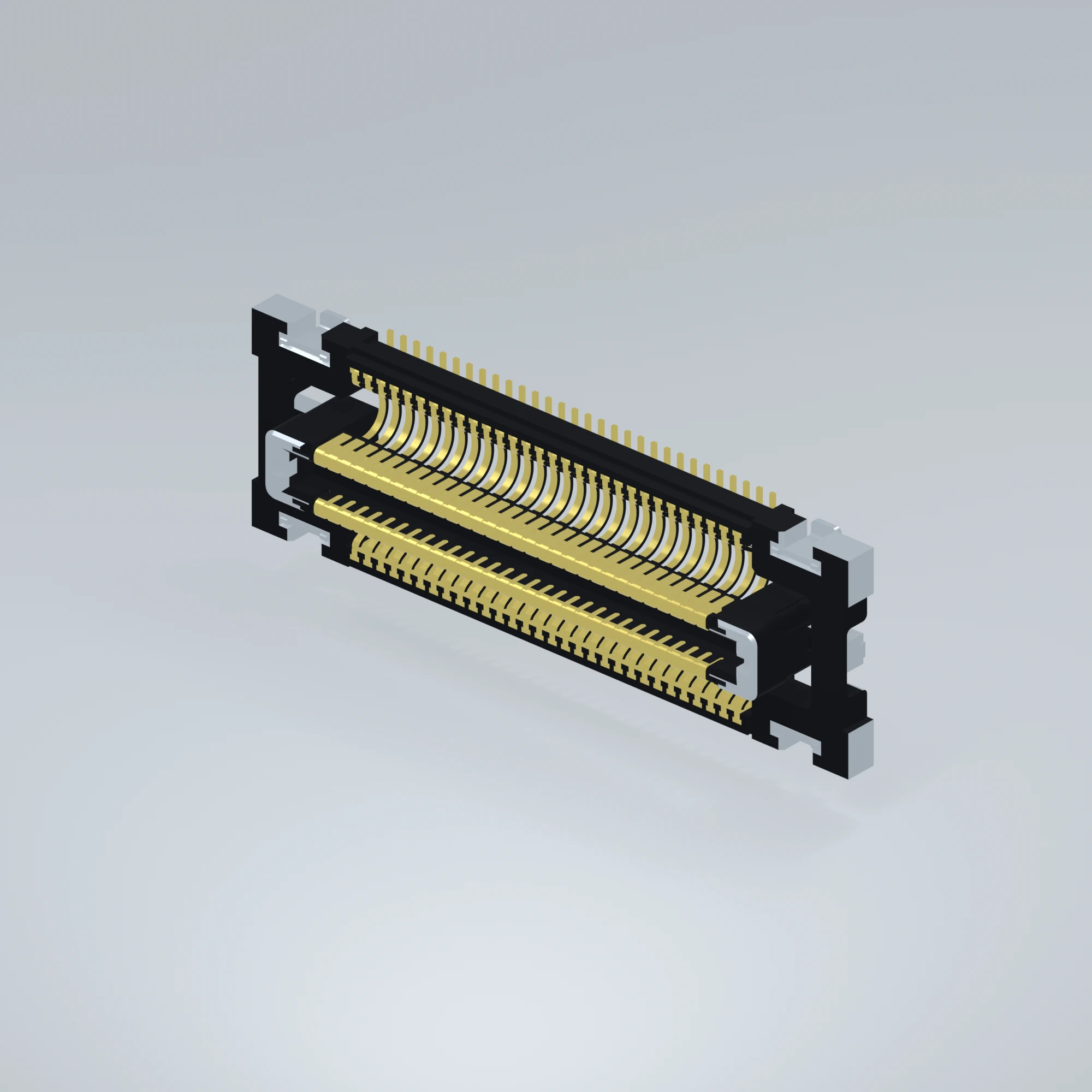
CBB169-XXXXX-XX
- Pitch
- 0.4 mm
- Contacts
- 20, 30, 40, 50, 60
- Mated height
- Pending
- Termination
- Pending
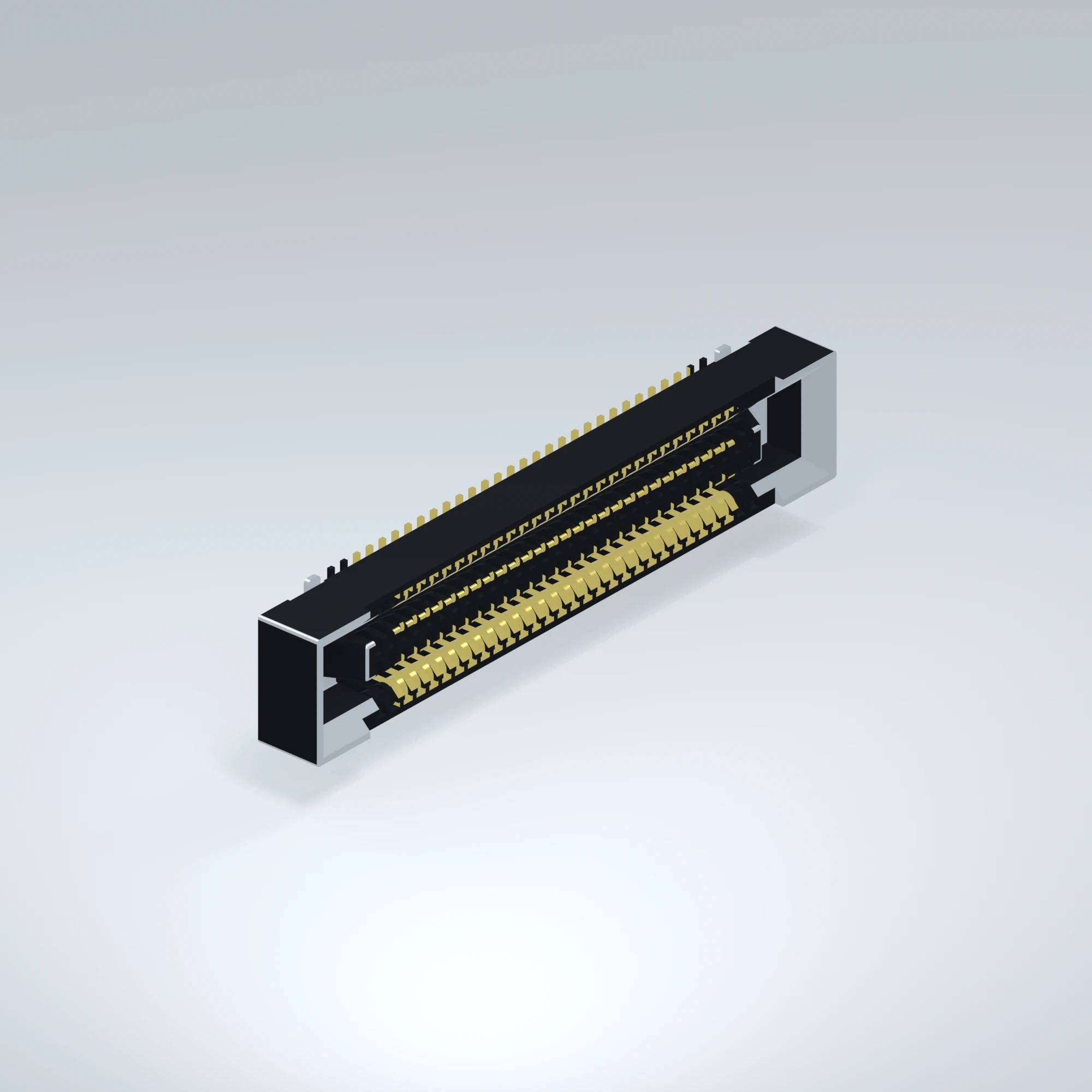
CBB170-XXXXX-XX
- Pitch
- 0.4 mm
- Contacts
- 20, 30, 40, 50, 60
- Mated height
- Pending
- Termination
- Pending
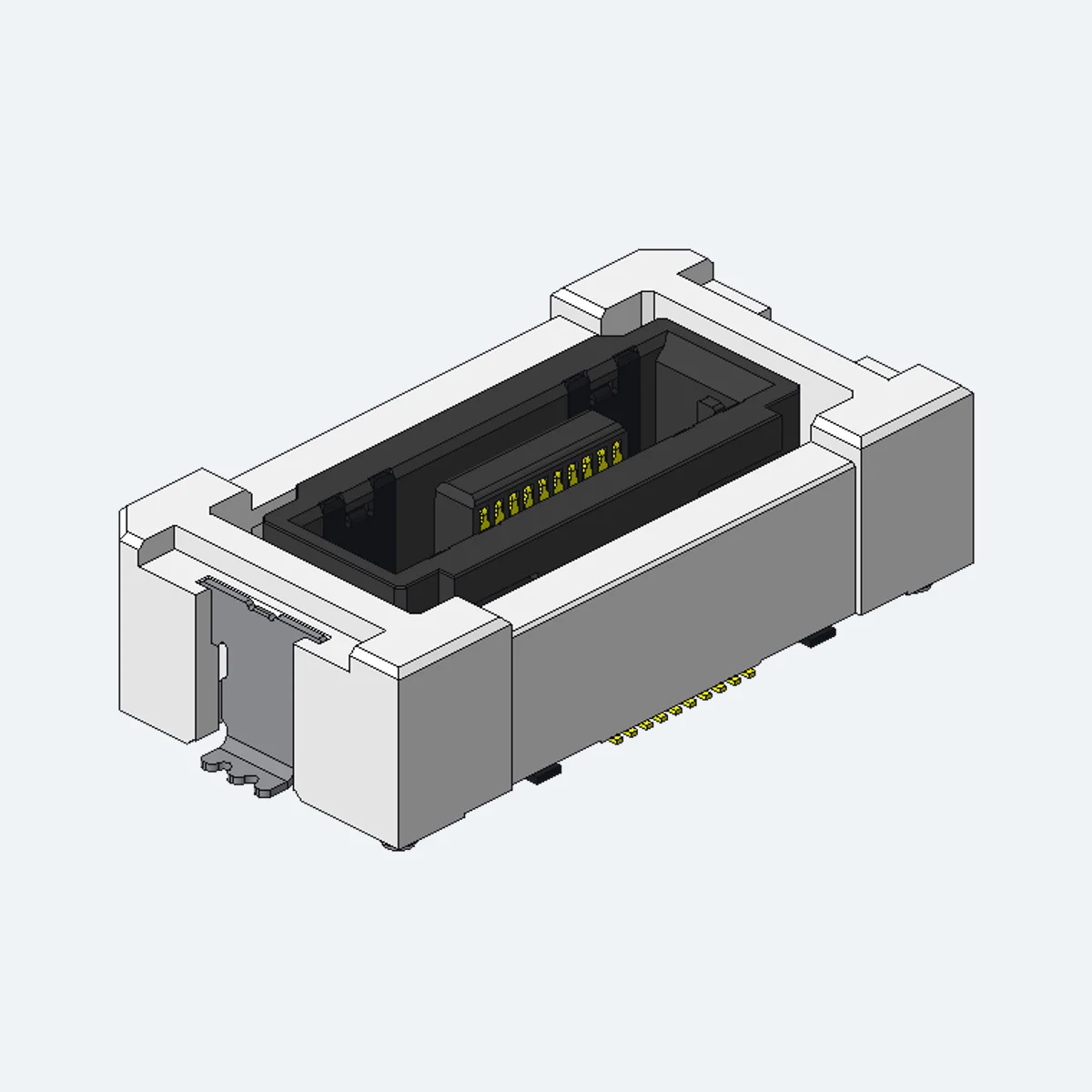
CBB023-20S1X-XX
- Pitch
- 0.5 mm
- Contacts
- 20 pin
- Mated height
- 8.0 mm with CBB024 / 15.0 mm with CBB025
- Termination
- Pending
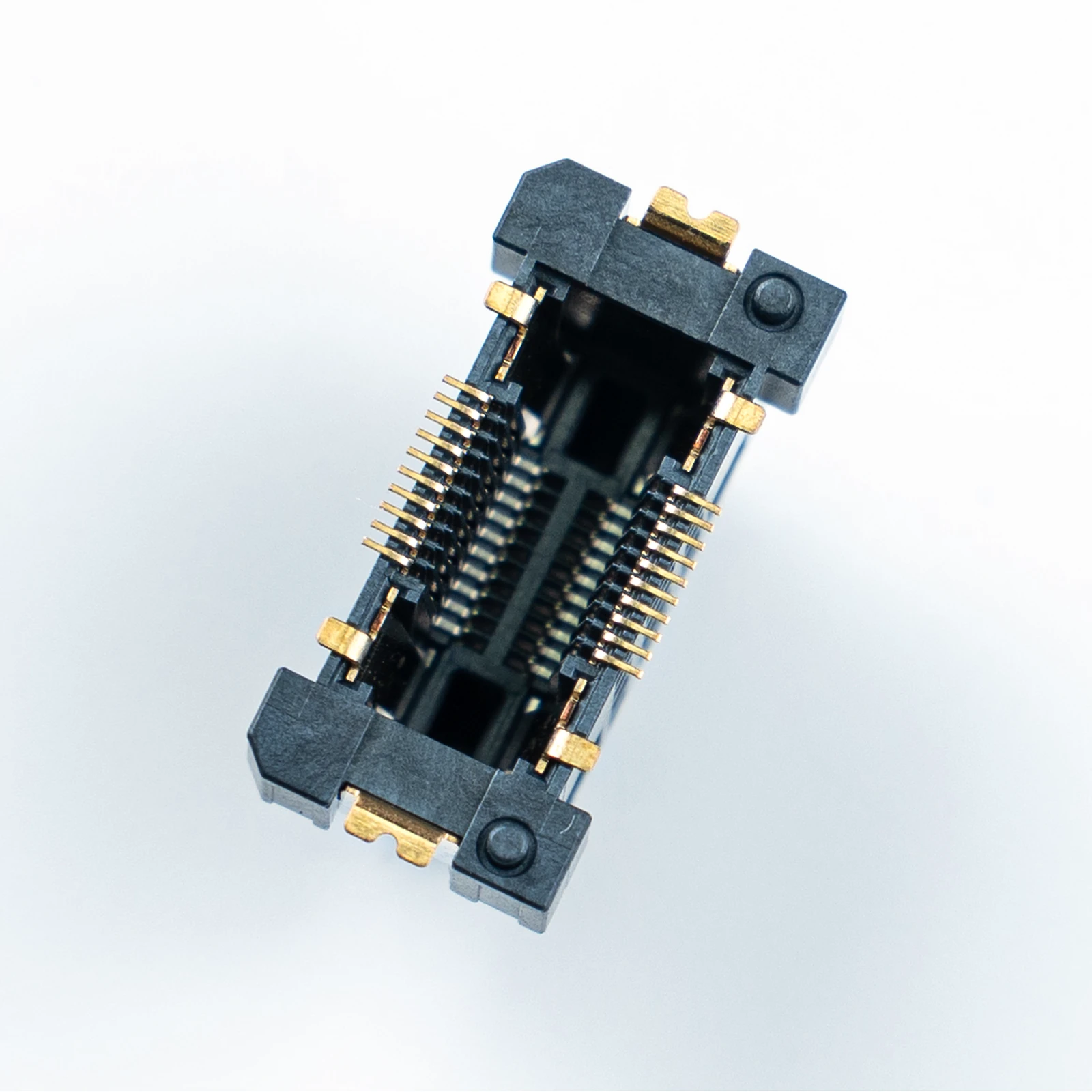
CBB024-20P1X-XX
- Pitch
- 0.5 mm
- Contacts
- 20 pin
- Mated height
- 8.0 mm (with CBB023)
- Termination
- Pending
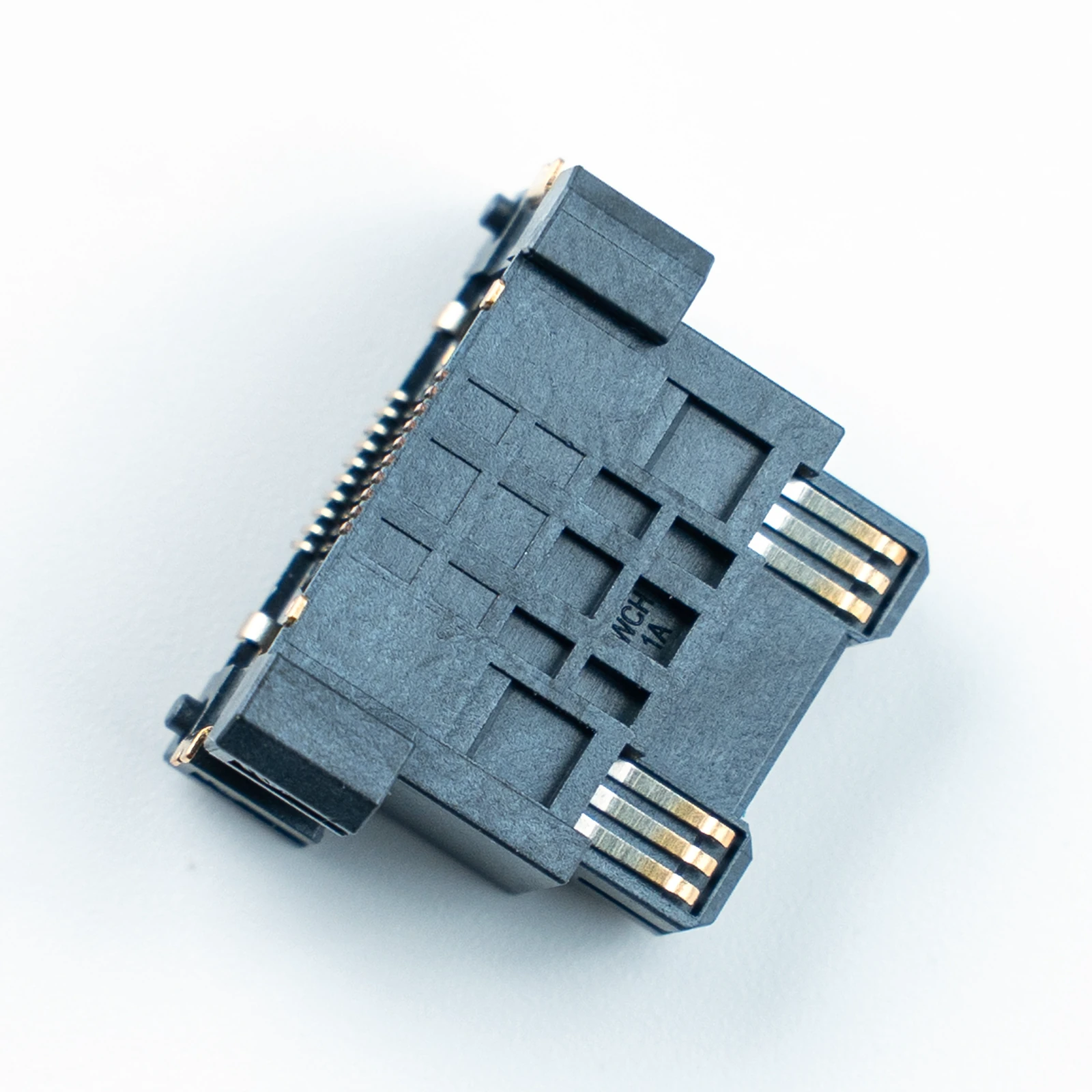
CBB025-20P1X-XX
- Pitch
- 0.5 mm
- Contacts
- 20 pin
- Mated height
- 15.0 mm (with CBB023)
- Termination
- Pending
No products match those filters. Try another pitch, height or pin count.
Selecting a Floating Board-to-Board connector
The factory product catalog lists 6 Floating Board-to-Board model records. Across those records, pitch is 0.4–0.5 mm; mated height is 4.75–25 mm; and contact count is 20–80 contacts. These are ranges observed in the listed variants, not a substitute for a controlled drawing of the exact order code.
Floating interfaces can help accommodate positional variation between two assembled boards. The required travel must be defined from the enclosure and PCB tolerance stack, rather than inferred from the word floating alone.
Begin by drawing the two surfaces that must be joined. Record the board outline, location of each connector, approach direction and space available for a mating operation. If a cable or harness is involved, include its exit path and bend allowance. This basic sketch exposes conflicts that a list of nominal electrical values cannot show. The connector should be evaluated as part of the complete assembly, rather than as an isolated component photograph.
Check the specified movement direction and amount for the exact series, then compare pin count, pitch and mated height. Reserve clearance for the moving part and consider how the connector is guided into engagement during assembly.
Next, fix the actual contact assignment. Record signal, ground and power positions, and note any contacts that need a separate current review. Compare the pin count listed for the exact catalog record with the circuit plan. A higher count can increase routing and board-space demands, while a lower count may leave no room for future revisions. A selection table is useful for narrowing candidates, but it does not replace a pin assignment or a released drawing.
Compare sourced catalog records
The records below are generated from the current factory product data. A value marked Pending confirmation has not been accepted as a verified part-level specification. Select the linked model to see its drawings, mating notes and the source attached to each available value. If a project depends on a tolerance, current rating or environmental result, request the controlled file and identify the specific test condition.
| Model | Pitch | Contacts | Mated height | Termination |
|---|---|---|---|---|
| CBB020-80S1F-01 | 0.5 mm | 80 pin | 4.75 mm | SMT |
| CBB169-XXXXX-XX | 0.4 mm | 20, 30, 40, 50, 60 | Pending | Pending |
| CBB170-XXXXX-XX | 0.4 mm | 20, 30, 40, 50, 60 | Pending | Pending |
| CBB023-20S1X-XX | 0.5 mm | 20 pin | 8.0 mm with CBB024 / 15.0 mm with CBB025 | Pending |
| CBB024-20P1X-XX | 0.5 mm | 20 pin | 8.0 mm (with CBB023) | Pending |
| CBB025-20P1X-XX | 0.5 mm | 20 pin | 15.0 mm (with CBB023) | Pending |
The comparison table links to all 6 model records across 6 base series names. Where two models share a base series, their suffixes may still identify a different contact count, gender, height or geometry. The exact order code should travel with every drawing request, quotation draft and engineering note.
Mechanical and electrical review
Check the recommended PCB land pattern against the board stack and placement tolerances. Keep assembly tooling, inspection access and any enclosure interference in view. Review connector retention and the intended mating sequence before freezing the mechanical design. For an electrical review, use the model-level current and voltage values only where the catalog or controlled specification actually states them. Assess signal performance in the finished board or cable channel rather than treating a connector family name as proof of system performance.
Floating travel is not a substitute for a mechanical tolerance study. Confirm X, Y and Z movement where applicable, allowable mating offset and the load path with the current drawing and engineering team.
Document the remaining questions before requesting samples. A useful engineering inquiry includes the candidate model, board layout, target mated height, contact assignment, expected quantity, project stage and the tests required by the destination product. Ask for the latest datasheet revision and a matching two-dimensional or three-dimensional drawing when available. If any value on this page differs from a newly released controlled document, the current document should govern the design review.
Common questions
How should I begin selecting a Floating Board-to-Board connector?
Start with the assembly drawing, required connection type, available space and exact contact assignment. Compare catalog values, then request the current controlled part drawing.
Does the same pitch prove two parts will mate?
No. Pitch is only one dimension. The mating interface, order code, orientation and stack height must all be confirmed.
Where can I check mated height and contact count?
Use the sourced product table as an initial filter. Check the controlled drawing for the exact ordering variant before PCB release.
Are all catalog values valid for every variant in a family?
Not necessarily. A series value may not cover each ordering suffix. Fields without variant-level confirmation are identified separately.
How do I request a drawing or sample for review?
Add the exact part number and target quantity to the RFQ workspace, then export the draft for your own review and sending.