
Best practices for connector assembly and handling in factories center on controlled SMT placement and reflow for board-to-board parts, disciplined mating and unmating, and ESD, moisture, and packaging controls from warehouse to line. Fine-pitch terminals forgive little improvisation: bent pins, bridging, and latent intermittents often start as handling issues rather than design flaws. Treat connectors as process-sensitive components with written travelers—not as generic hardware.
SMT Placement For Board-To-Board Connectors
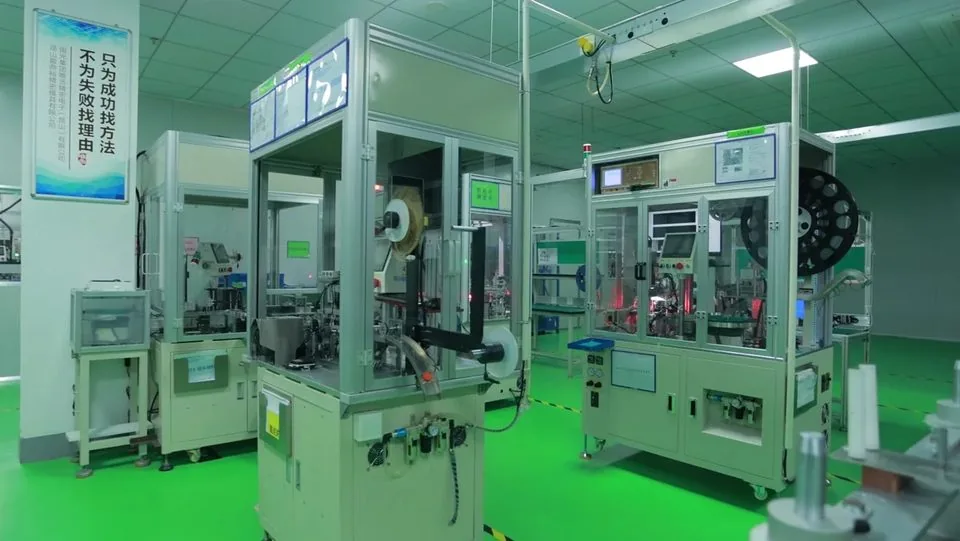
Lock the land pattern and stencil design to the approved drawing before the first production stencil cut. Confirm polarity marks, pick-up cap geometry, and nozzle selection so placement force does not crush housings. Fine-pitch 0.4 mm stacks need tighter true-position and coplanarity windows than wider 0.5 mm parts. Catalog orientation (per catalog): listed 0.4 mm BTB themes show mated heights 1.5–4.0 mm and pin counts 30–70; listed 0.5 mm BTB shows heights 3.0–5.0 mm and 10–80 pins—freeze the exact PN height before fixtures are cut.
Review candidate series on 0.4 mm pitch board-to-board connectors for consumer electronics and 0.5 mm pitch automotive board-to-board connectors when choosing process windows. Pitch trade-offs that affect yield are explained in 0.4 mm vs 0.5 mm pitch board-to-board connectors. Avoid manual placement on 0.4 mm parts whenever automation is available.
Reflow Profile And Post-Reflow Checks
Keep reflow inside the profile window stated for the housing and plating revision. Excessive peak temperature or time-above-liquidus can warp housings or degrade plating; insufficient heat creates incomplete wetting. After reflow, inspect fillets for bridging, opens, tombstoning, and pad damage. For dense consumer modules (watches, phones, tablets, notebooks—per catalog application themes on listed 0.4 mm families), AOI criteria should include connector-specific views, not only IC packages.
Signal-current orientation (per catalog) is commonly 0.3 A on listed 0.4 mm contacts and 0.5 A on listed 0.5 mm contacts; process engineers still need PN datasheets when reviewing thermal derating of nearby power pins. Factory process and inspection context is summarized on manufacturing quality.
Mating And Unmating On The Line And In Service
Train operators and fixtures to mate square to the interface. Side load bends fine terminals and creates latent high-resistance contacts. Use extraction tools where specified; never pry on housings with screwdrivers. Record whether the interface is one-time factory mate or field-serviceable—serviceable designs need clearer latch cues and cycle limits in the work instruction.
When boards are screwed into a housing before mating, residual misalignment can stress solder joints on rigid connectors. Compare floating board-to-board connectors in design review. Catalog floating examples (per catalog) include CBB020 80 pin at 4.75 mm mated height and CBB023/024/025 20-pin hybrids with 3.0 A power pins; confirm float capability without inventing travel millimeter values. Fine-pitch handling failure modes are expanded in common risks when sourcing fine-pitch or miniature connectors.
ESD, Moisture, And Packaging Controls
Maintain grounded benches, ESD-safe mats, and wrist straps or ionizers in connector kitting and SMT areas. Fine terminals and plating can be damaged by discharges that leave no visible mark. Store reels and trays in dry conditions that match the moisture sensitivity notes for the housing; reseal bags with desiccant after partial use. Damaged pick-up caps or crushed tape pockets often present later as “supplier quality” when the root cause was warehouse stacking.
Incoming checks should verify PN labels, lot codes, reel integrity, and absence of bent pins before kits reach the line. Sample inspection discipline that feeds IQC is covered in what buyers should check before approving connector samples. If display cable connectors share the cell, apply the same ESD and bend-radius rules to LVDS connectors assemblies.
Factory Handling Checklist
| Area | Control | Fail symptom if skipped |
|---|---|---|
| Placement | Nozzle, force, polarity | Crushed housing, skewed part |
| Stencil / reflow | Aperture + profile lock | Bridging, cold joints |
| Mating | Square engagement, tools | Bent pins, hard mate |
| ESD | Grounding + safe packaging | Latent intermittents |
| Moisture | Dry storage, reseal bags | Housing or solder issues |
| Traceability | Lot on traveler | Uncontained defects |
Practical Line Checklist
[ ] Approved footprint and stencil revision posted
[ ] Pick-up cap / packaging method confirmed
[ ] Reflow profile named on the traveler
[ ] Mating fixtures or tools defined
[ ] ESD and MSL rules included in kitting WI
[ ] AOI / visual criteria include connector views
[ ] Floating vs rigid decision recorded if stack screws before mate
[ ] Retained samples and photos linked to lot codes
Broader assembly selection context sits in how to choose a board-to-board connector for reliable electronic assembly.
Train, Contain, And Feed Back Defects
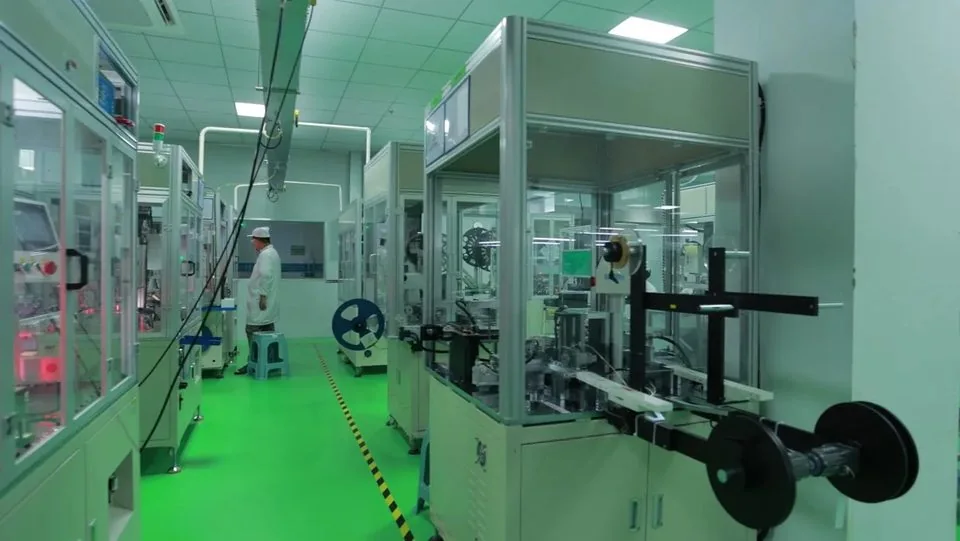
Write connector-specific work instructions that show correct nozzle contact, mating angle, and bag-reseal steps with photos. New operators should complete a short practical check on scrap boards before touching live kits. When bent pins or bridging appear, contain the reel lot and the boards already processed from that kit before restarting the line.
Feed defects back to process engineering with the lot code, stencil revision, and profile name attached. Many “connector quality” escapes are actually stencil aperture drift or moisture-bag discipline gaps. A weekly review of connector DPMO by pitch family helps teams catch 0.4 mm yield cliffs earlier than a monthly scrap summary.
FAQ
Why do connectors pass samples but fail on the SMT line?
Sample builds are often hand-nurtured. Volume exposes stencil, placement force, moisture, and reel-handling variation that small lots hide.
Is 0.5 mm always easier to assemble than 0.4 mm?
It usually offers a wider process window, but height, pin count, and fixture design still dominate. Choose pitch from space and capability together.
Can operators straighten bent fine-pitch pins?
Generally no. Rework often damages pads. Scrap and containment rules should be written before ramp.
Do floating connectors remove the need for alignment fixtures?
No. They absorb residual misalignment; fixtures and footprint control remain required.
What packaging details belong on the PO?
Reel or tray code, pick-up cap requirement, and any dry-pack notes that match the approved-part record.
Request A Quote
Share target BTB series, pitch/height, packaging preferences, and process notes (SMT profile intent, mating fixtures). Weicheng can supply drawings and handling-oriented sample packs for line trials. Start an RFQ at https://www.wcjmconnect.com/contact.