
Mating life is one of the most frequently quoted connector specifications, yet it is also one of the most misunderstood. A connector may claim a certain number of insertion cycles, but buyers still need to understand what that figure actually means in practice. Real durability depends not only on the cycle count itself, but also on contact design, material selection, plating quality, operating environment, and how the connector is used during its service life.
What Mating Life Really Means In Practical Use
Quoted mating life should never be read as a direct prediction of field performance. Buyers should ask whether the cycle rating was based on controlled lab conditions or whether it reflects practical insertion force, alignment quality, and repeated use under real handling conditions. A connector used in maintenance-heavy equipment or modular assemblies will face more wear than one inserted once and left undisturbed. Procurement decisions become more realistic when mating life is judged according to the actual use pattern rather than headline numbers alone.
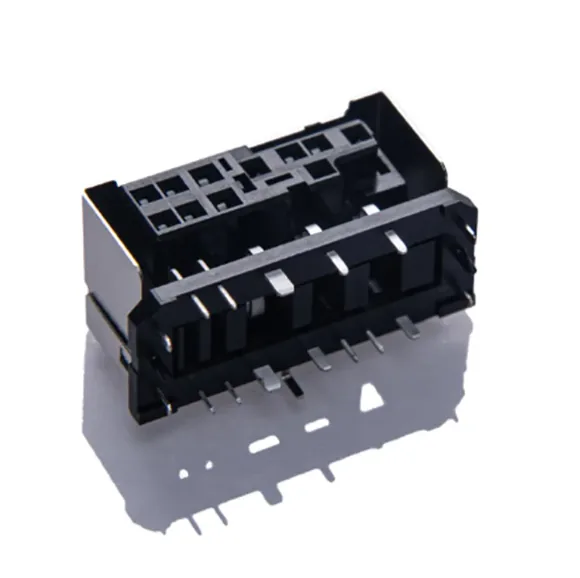
Contact Structure, Material, And Plating Wear Resistance
The durability of a connector is strongly influenced by contact geometry, spring design, base material, and plating system. Contact force must remain stable enough to ensure reliable electrical connection, but not so aggressive that it accelerates wear. Plating thickness and composition also matter because wear, oxidation, and friction directly affect long-term contact performance. Buyers should evaluate durability as a combination of mechanical retention and electrical continuity, not as a single mechanical test result.
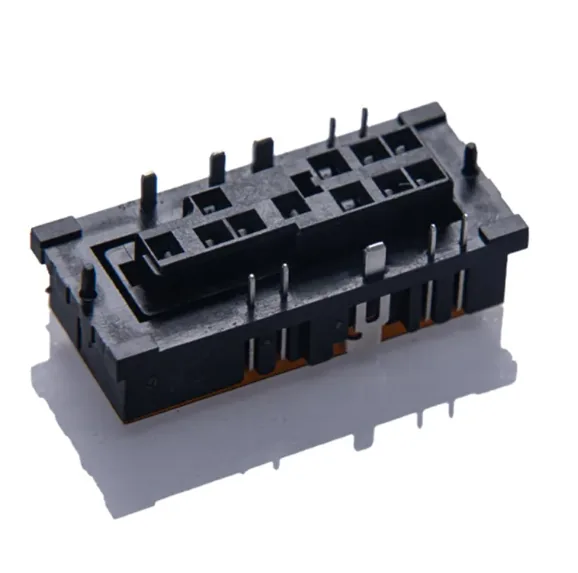
How Buyers Can Judge Real Durability More Accurately
The best way to judge real durability is to combine cycle data with application-based evaluation. Buyers should review insertion force change, contact resistance change, visible wear, terminal deformation, and retention performance after repeated use. Where possible, sample testing under realistic handling and environmental conditions gives a much clearer picture than catalog claims alone. A connector with balanced wear resistance and stable electrical behavior usually creates lower maintenance risk and better long-term value.
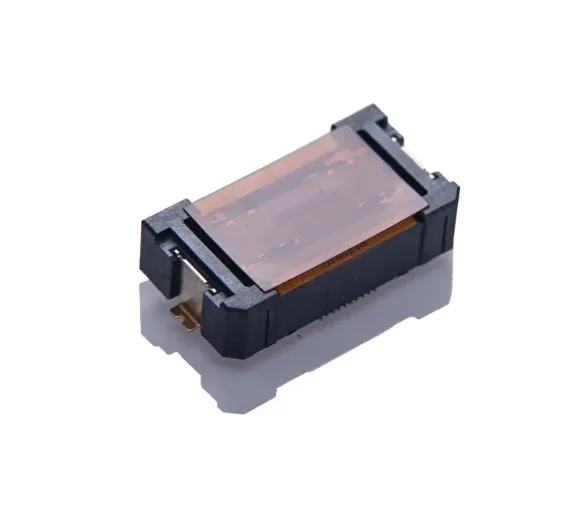
Related product and article resources
For procurement comparison and technical evaluation, readers can continue with these related product pages and supporting articles.
Real mating life is not just a number in a catalog. It is the result of contact design, material system, wear behavior, and real-use validation working together. Buyers who evaluate durability in this broader way make smarter decisions and avoid overestimating performance based on simplified claims.
Related connector categories for evaluation: Board To Board Connectors and Floating Board To Board Connectors. Related reading: how to evaluate connector suppliers for long term production stability. More context: manufacturing and quality.