
Beyond Power Delivery: The Multi-Lane Data Highway
The modern USB Type-C connector has evolved far beyond a simple charging or file transfer port; it is a versatile, high-bandwidth conduit central to today's connected devices. At the heart of its prowess is a sophisticated architecture designed as a multi-lane data highway. Unlike its predecessors, the Type-C specification leverages multiple high-speed data lanes within a single, reversible connector. This enables support for the latest USB4 and USB 3.2 Gen 2x2 protocols, delivering staggering data transfer speeds of up to 40 Gbps. This bandwidth revolutionizes user experience, making near-instantaneous transfers of massive 4K/8K video files, rapid system backups, and lag-free access to high-performance external storage a daily reality. This capability is critical not just for data-intensive consumer applications but also for professional workflows in content creation, engineering, and IT, effectively eliminating the data transfer bottleneck and transforming the humble port into a primary system bus for modern computing.
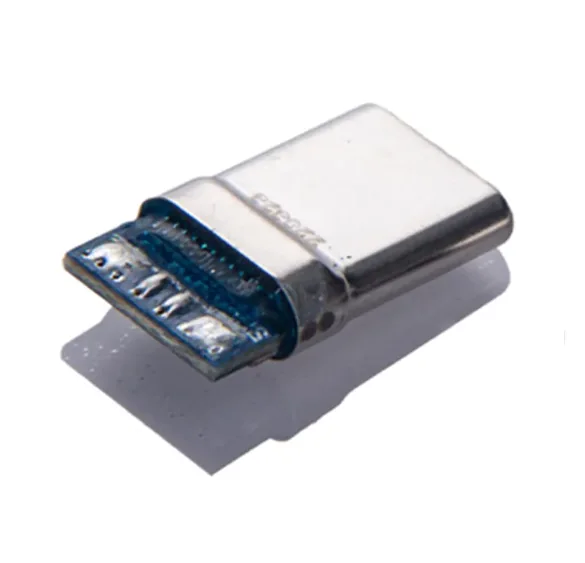
Alternate Modes: A Single Port for Video, Data, and Power
Some Type-C systems can carry video alongside data and power when the host, connected device and cable support the required functions. Confirm the complete system configuration and its validation evidence. The connector outline alone does not establish video, charging or data capabilities.
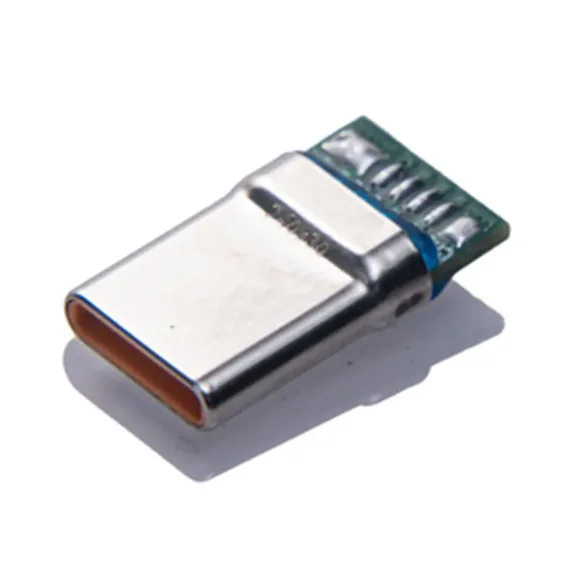
Engineering for Reliability: Signal Integrity and Robust Durability
Delivering on the promise of high-speed data and pristine video requires more than just protocol compliance; it demands meticulous precision engineering focused on signal integrity and physical durability. At multi-gigabit speeds, signal degradation from crosstalk, impedance mismatch, or insertion loss becomes a critical failure point. High-quality USB Type-C connectors, like those engineered by manufacturers with deep expertise, employ precise impedance control in the contact terminal design and optimized internal shielding to preserve signal quality. Furthermore, the convenience of a reversible plug comes with a significant mechanical challenge: doubling the wear points. This necessitates exceptionally durable contact pin design with advanced plating (often featuring gold in critical areas) to maintain a low and stable contact resistance through tens of thousands of mating cycles. The connector housing must also provide superior strain relief and a secure locking mechanism to withstand the physical stress of frequent plug/unplug events. This combination of electrical precision and mechanical robustness ensures that the connector is not just a passive portal, but a reliable, high-fidelity gateway that consistently delivers the full performance potential of the connected protocols without becoming a bottleneck or a point of failure.
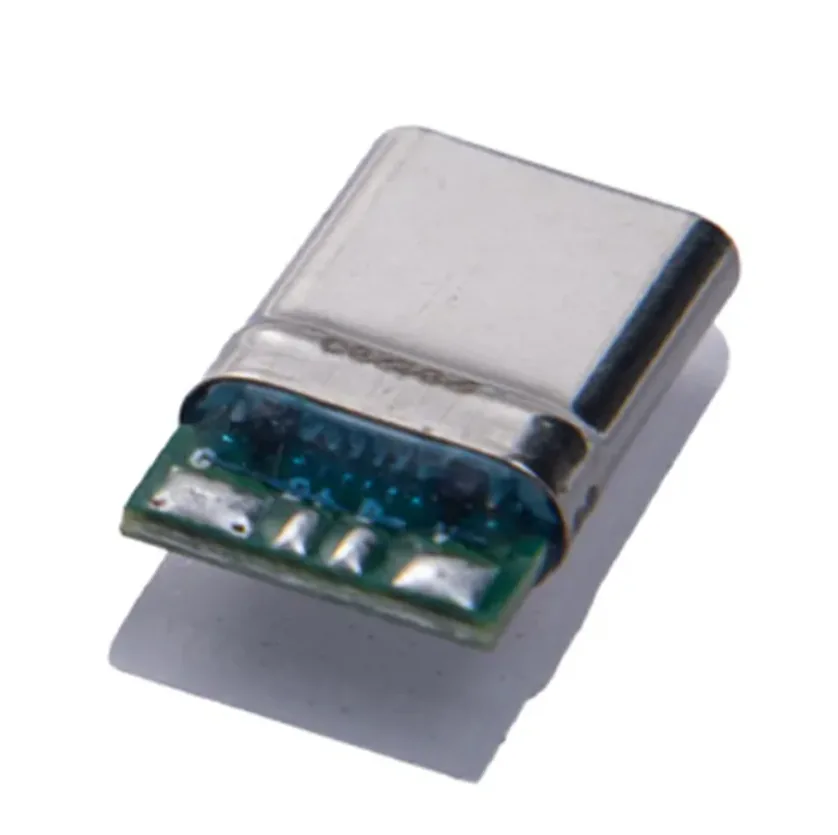
Related product and article resources
For procurement comparison and technical evaluation, readers can continue with these related product pages and supporting articles.
Choose a Type-C connector by reviewing its controlled mechanical and electrical requirements alongside the complete device design. Check board layout, shell retention, cable compatibility and the intended operating environment. Request the current drawing and relevant test conditions for the exact receptacle before design release.
Related connector categories for evaluation: Board To Board Connectors. Related reading: how to choose a type c connector for consumer electronics.