
How To Choose A Type-C Connector For Consumer Electronics
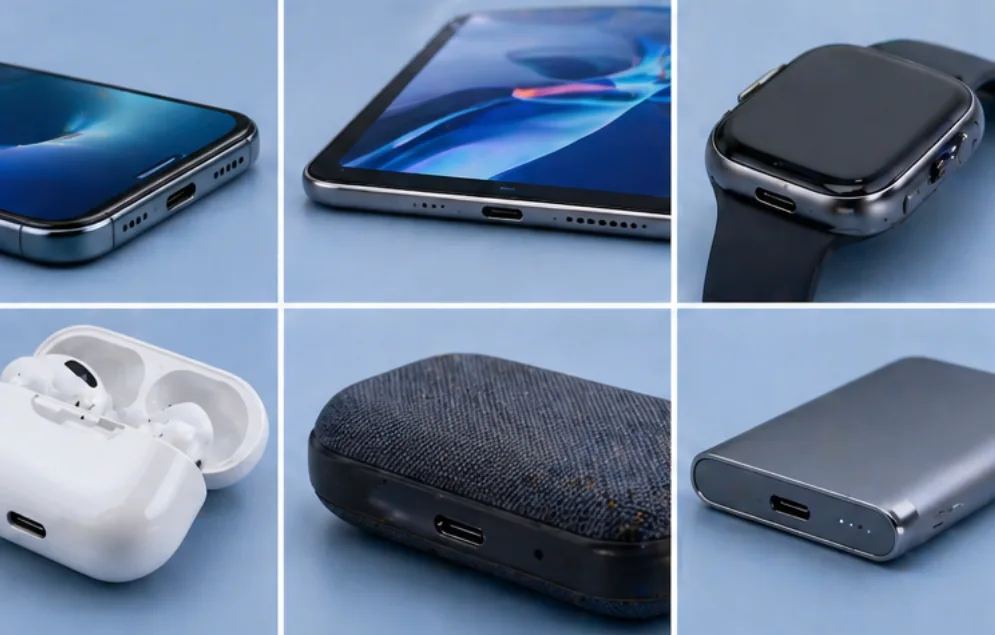
Type-C connectors are widely used in smartphones, tablets, laptops, smart wearables, audio devices and portable consumer electronics. Choosing the right Type-C connector is important for charging performance, data transmission, structural durability and long-term user experience.
Get Quote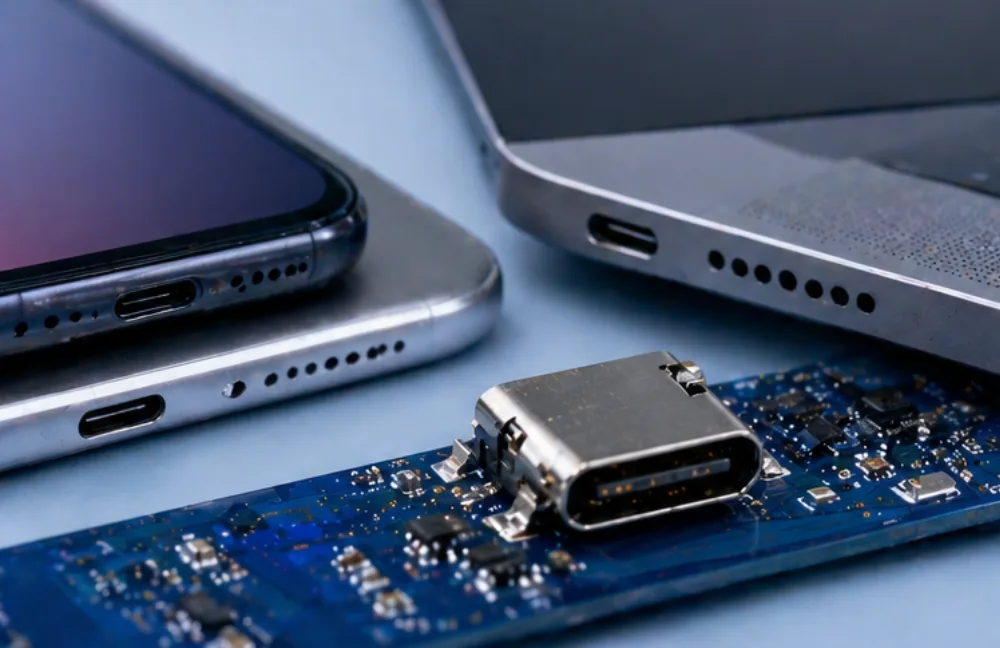
1. Confirm Charging And Data Transmission Requirements
The first step in selecting a Type-C connector is to confirm the charging power and data transmission requirement of the final product. Some consumer electronics only require basic charging, while others need fast charging, high-speed data transfer or audio and video signal support.
Buyers should confirm current rating, voltage rating, USB version, transmission speed and whether the product needs power delivery support. If the connector is used in smartphones, tablets or portable devices, stable contact performance and low resistance are especially important for charging safety and user experience.
2. Check Connector Structure And Mounting Type
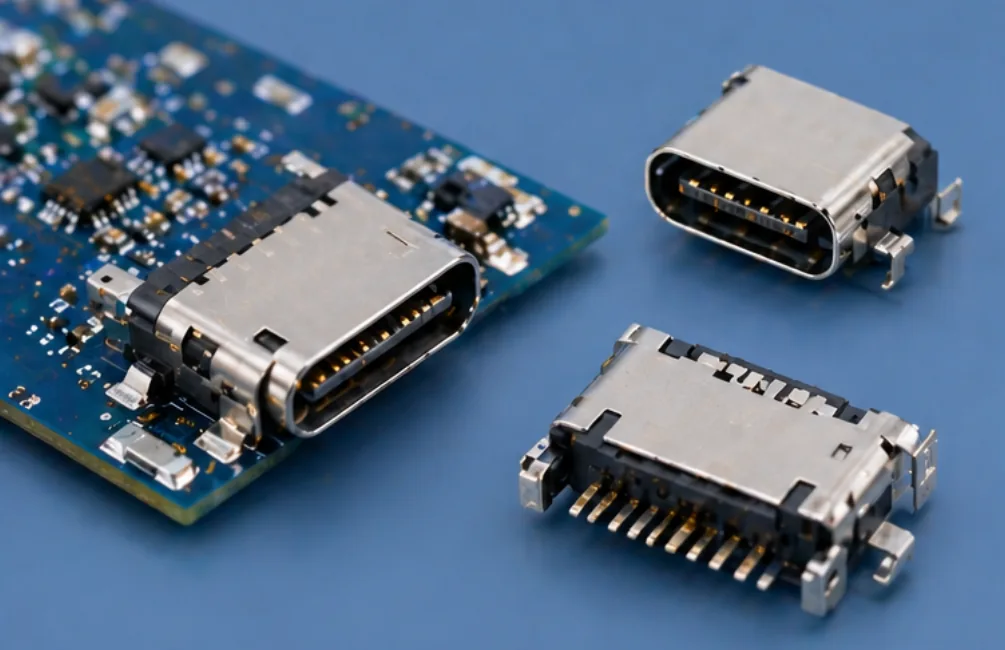
Type-C connectors are available in different structures, including vertical type, mid-mount type, side-entry type and SMT or hybrid mounting designs. The right structure depends on PCB layout, product thickness, enclosure design and assembly process.
For slim consumer electronics, connector height and insertion position must match the product housing accurately. A poor structural match may cause assembly interference, weak soldering or unstable insertion after long-term use.
3. Evaluate Durability, Insertion Force And Service Life
Consumer electronics are frequently plugged and unplugged, so mechanical durability is a key selection factor. Buyers should check mating cycles, insertion force, withdrawal force, shell strength and terminal retention force.
A reliable Type-C connector should maintain stable contact after repeated use. For products such as mobile phones, charging cases, smart speakers and wearable devices, poor connector durability may quickly lead to charging failure, loose connection or customer complaints.
4. Review Material, Plating And Corrosion Resistance
Type-C connector quality depends on terminal material, shell material, plastic housing and surface plating. Copper alloy terminals are commonly used to provide conductivity and elasticity, while stainless steel or other metal shells can improve mechanical protection.
Gold plating or selective plating can improve contact stability and corrosion resistance. For portable consumer electronics, connectors may be exposed to sweat, dust, humidity and frequent handling, so plating quality and material consistency should not be ignored.
5. Consider SMT Production And Batch Quality Control
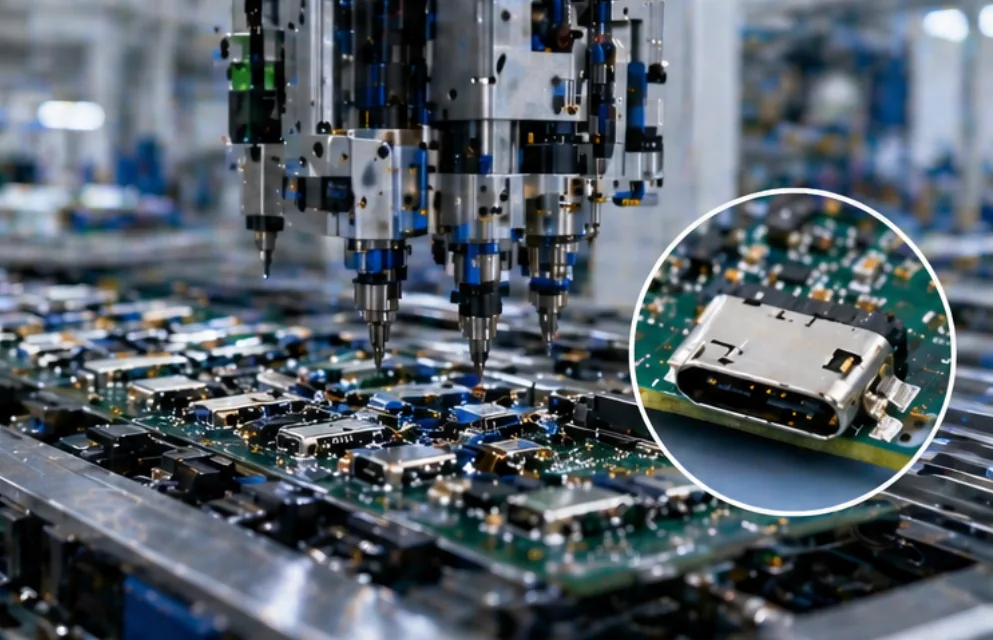
Type-C connectors are often assembled through SMT, DIP or hybrid production processes. Buyers should confirm solderability, coplanarity, heat resistance, packaging method and compatibility with automated production lines.
For mass-produced consumer electronics, batch consistency is critical. A reliable connector manufacturer should control stamping accuracy, injection molding precision, plating quality and final inspection to reduce assembly defects and after-sales failure risk.
Type-C Connector Selection Checklist
| Item | What To Check | Why It Matters |
|---|---|---|
| Charging Requirement | Current, voltage and power delivery support | Affects charging speed and safety |
| Data Transmission | USB version and transmission speed | Determines device function and user experience |
| Mounting Type | SMT, DIP, hybrid, mid-mount or vertical type | Affects PCB layout and assembly stability |
| Durability | Mating cycles, insertion force and shell strength | Reduces failure after repeated use |
| Material | Terminal, shell, housing and plating | Affects conductivity and corrosion resistance |
| Production Quality | Stamping, molding, plating and final inspection | Ensures stable batch performance |
Conclusion
Choosing a Type-C connector for consumer electronics requires a full review of charging performance, data transmission, mounting structure, durability, material quality and production consistency. A suitable connector can improve product reliability, charging stability and end-user satisfaction.
Related product and article resources
For procurement comparison and technical evaluation, readers can continue with these related product pages and supporting articles.
If you need Type-C connectors, custom connector development or technical support for consumer electronic products, please contact us for product selection and quotation.
Contact UsRelated connector categories for evaluation: Board To Board Connectors. Related reading: the high speed data and video capabilities of usb type c connectors.