
Connectors used in automotive, medical, and industrial applications often carry higher consequences when failure occurs. A connection issue in these sectors may cause equipment stoppage, performance instability, maintenance cost, or even safety-related concerns. That is why buyers in these application areas should treat connector procurement as a risk-control process, not merely a component purchase. The goal is not just to get a connector that fits, but one that continues to perform reliably in a demanding environment.
Start With Application Risk, Not Product Appearance
Risk reduction begins by understanding the application itself. Buyers should define whether the connector will face vibration, sterilization exposure, cleaning chemicals, heat, current load, compact installation, or frequent maintenance. Automotive, medical, and industrial systems all place different demands on connection reliability. A connector that works well in consumer electronics may be unsuitable in a harsh or mission-critical environment. Procurement is safer when the application risk profile is clarified before part selection starts.
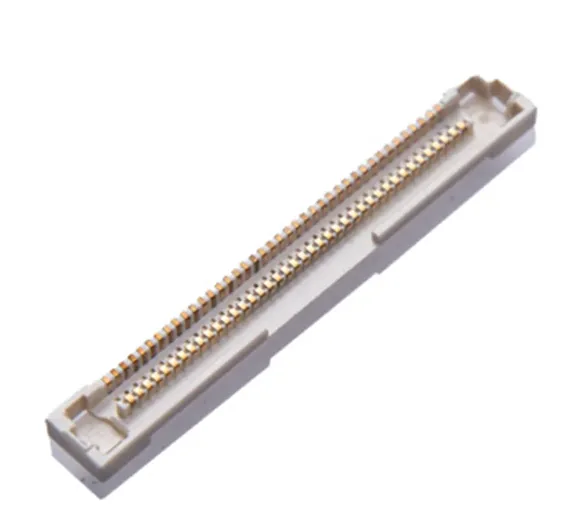
Focus On Validation, Consistency, And Traceability
In higher-risk applications, buyers should place extra weight on validation depth, batch consistency, and traceability. It is not enough for a connector to pass a simple functional check once. The product should be evaluated through relevant reliability tests, and repeated orders should remain stable in dimensions, contact behavior, and structural performance. Traceability is especially valuable because it allows faster response if a field issue or quality deviation appears later. Stable data and clear lot control help lower both operational and reputational risk.
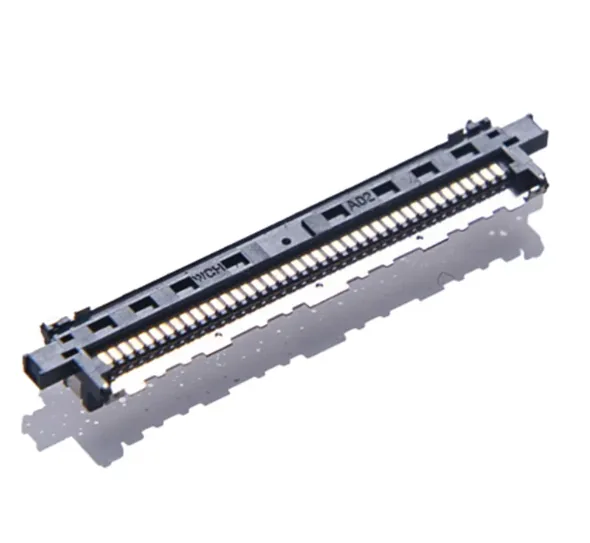
Think In Terms Of Lifecycle Cost And Failure Consequence
The best risk-control mindset is to evaluate lifecycle cost rather than initial part price alone. A connector that causes assembly loss, field maintenance, service interruption, or early replacement is usually far more expensive than its purchase price suggests. Buyers should assess total risk in terms of validation effort, downtime impact, maintenance burden, and consequence of failure. In demanding sectors, a more disciplined procurement decision often creates lower total cost and better long-term confidence.
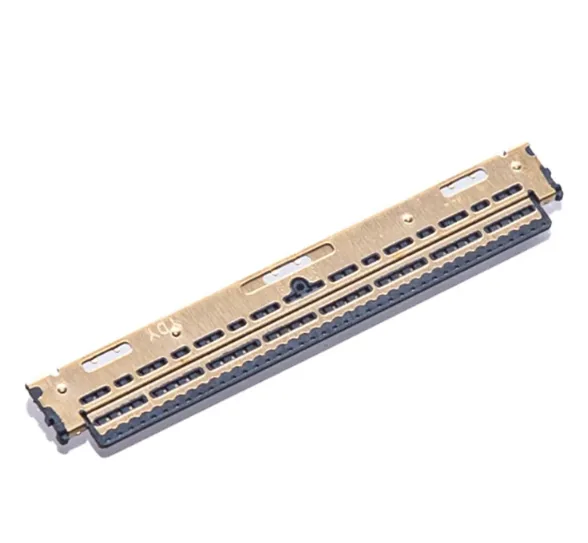
Related product and article resources
For procurement comparison and technical evaluation, readers can continue with these related product pages and supporting articles.
Reducing procurement risk in automotive, medical, and industrial connector projects requires more than choosing a part that matches a drawing. It requires understanding the application, validating real reliability, maintaining batch control, and judging the full consequence of failure. Buyers who do this well build more secure and more cost-effective projects over time.
Related connector categories for evaluation: 05mm Pitch Automotive Board To Board Connectors and 04mm Pitch Automotive Board To Board Connectors. Related reading: board to board connector pitch and stack height selection guide.