
USB connectors remain one of the most common interfaces in electronics, but that does not make procurement decisions simple. In many applications, the challenge is not just selecting the right format, but choosing a connector that fits the product structure, withstands repeated use, and maintains stable electrical behavior. A connector that seems interchangeable at first can still create assembly problems, inconsistent contact, or reduced service life later. Procurement should therefore focus on fit, durability, and electrical performance together.
Product Fit Is More Than Matching The Interface Type
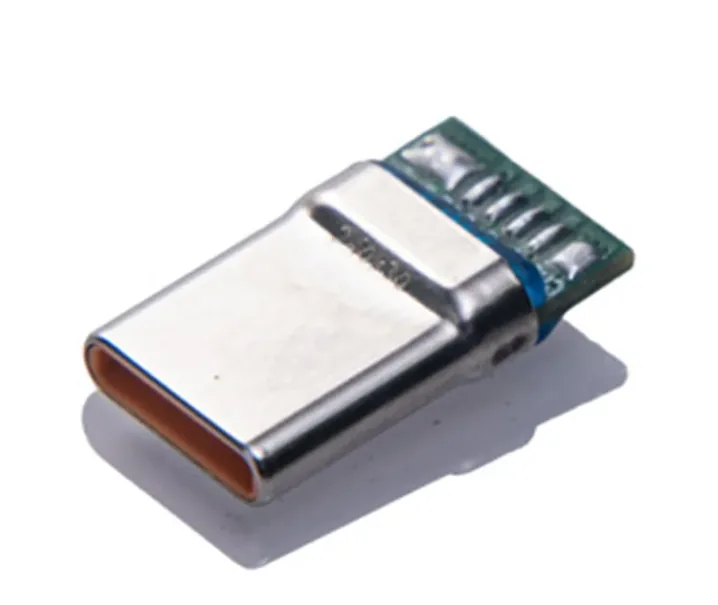
USB connector selection should begin with the actual product design rather than only the interface category. Buyers should confirm port type, PCB layout, enclosure opening, insertion direction, fixing method, and expected cable interaction. Many fit-related issues appear not because the USB standard is wrong, but because the selected connector does not fully match the mechanical environment of the device. In compact products, test instruments, and portable equipment, even a slight mismatch in shell structure or mounting position can create assembly inefficiency and long-term reliability risk.
Durability Matters In Repeated Use And Real Handling
A USB connector often experiences repeated insertion, cable stress, accidental side load, and user handling over time. Buyers should evaluate shell strength, contact wear resistance, retention performance, and port stability after repeated mating. A connector that is mechanically weak may loosen or wear faster than expected, leading to unstable connection or premature failure. This is especially important in consumer-facing devices, serviceable equipment, and products that need frequent connection and disconnection. Good durability reduces maintenance issues and improves product quality perception.
Electrical Performance And Long-Term Procurement Value
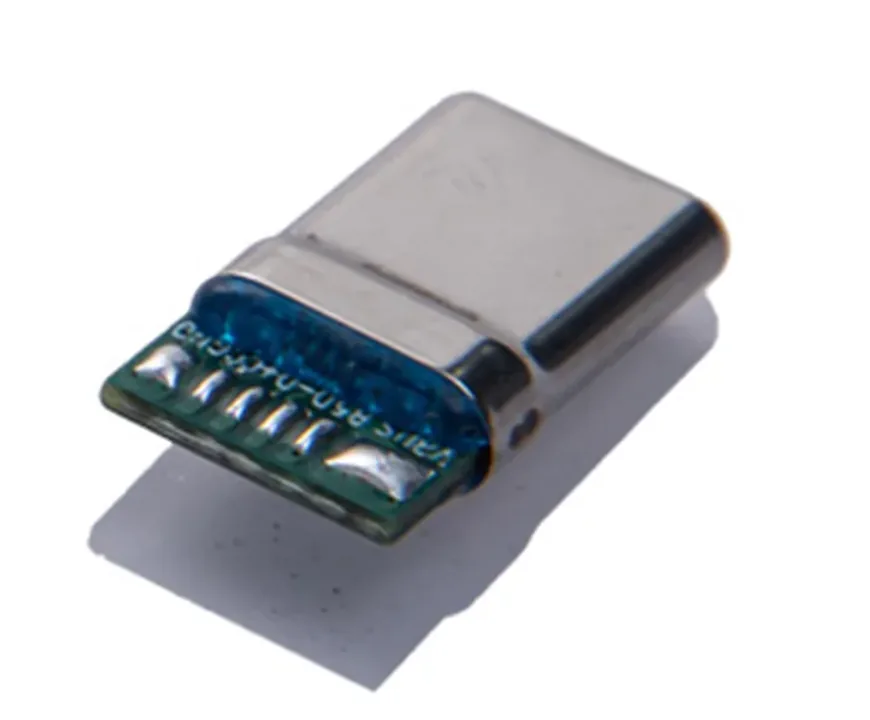
USB connector procurement should also consider current carrying ability, contact stability, thermal behavior, and data performance where relevant. A connector may physically fit the product while still underperforming electrically during charging or data transfer. Procurement becomes safer when buyers review both immediate use and lifecycle expectations. The most suitable USB connector is not just easy to install; it is the one that remains electrically and mechanically dependable throughout the intended service period.
Related product and article resources
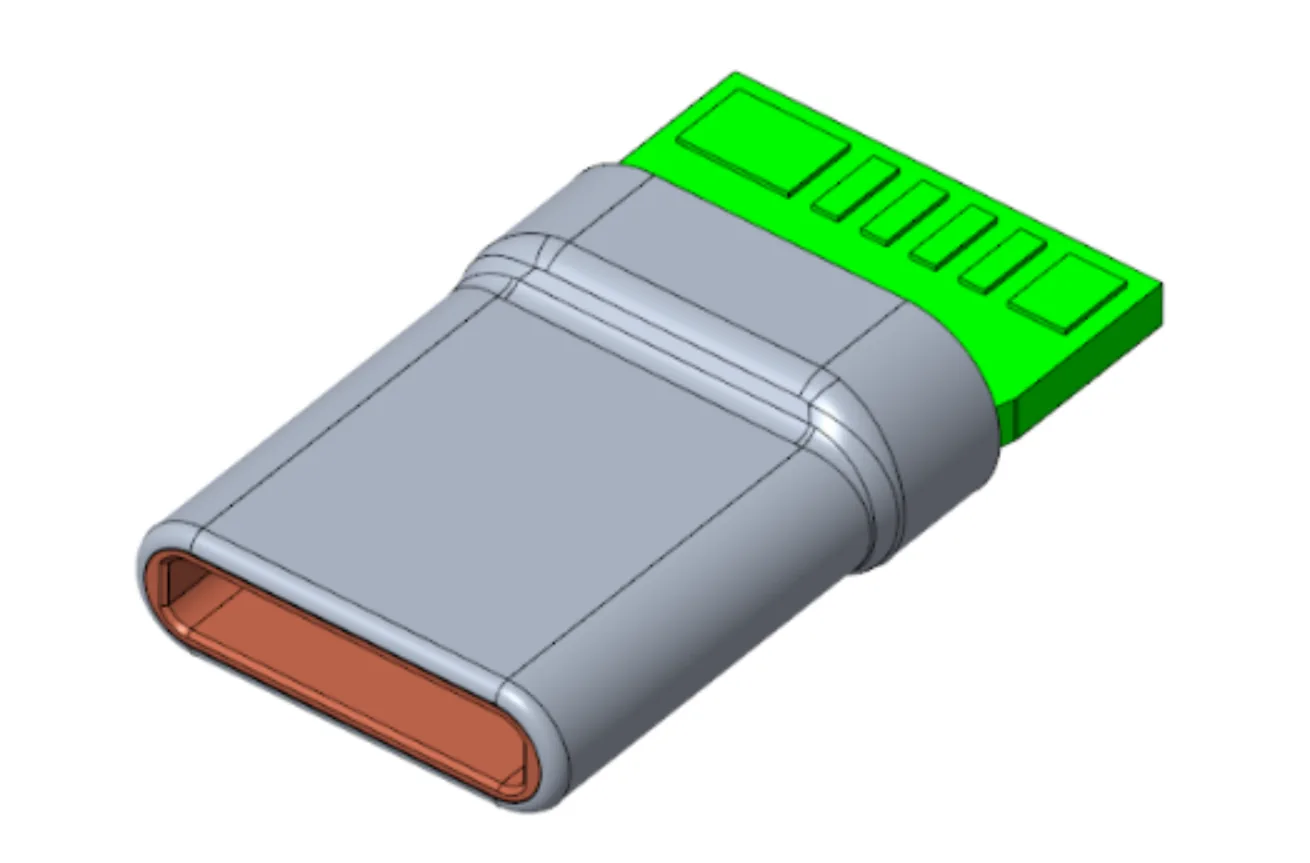
For procurement comparison and technical evaluation, readers can continue with these related product pages and supporting articles.
A good USB connector should fit the device correctly, survive repeated handling, and maintain stable electrical performance over time. Buyers who evaluate these three factors together can reduce hidden risk and choose a connector that supports both assembly efficiency and better long-term product quality.
Related connector categories for evaluation: Usb Type C Connectors and Board To Board Connectors. Related reading: the high speed data and video capabilities of usb type c connectors.