
Type-C connectors are now widely used in consumer electronics, industrial devices, communication products, portable equipment, and integrated control systems. For procurement teams, however, choosing a Type-C connector is no longer just about selecting a modern interface. The real question is whether it can maintain stable power delivery, reliable data transmission, and long-term durability under real working conditions. A connector that looks compliant on paper may still create assembly problems, loose contact, premature wear, or unstable electrical behavior in actual use. That is why procurement decisions should focus on application fit, electrical design, structural reliability, and lifecycle performance together.
Type-C Electrical Performance: Power Delivery, Data Speed, And Contact Stability
The first issue buyers should review is electrical performance. Not every Type-C connector is suitable for the same current load, charging requirement, or data speed. Some are optimized for basic charging, while others are designed for fast data transfer, high-speed signal integrity, or multifunction integration. Procurement should verify whether the connector structure, terminal design, and contact layout can support the intended power and data requirements at the same time. Stable contact resistance, consistent terminal engagement, and controlled thermal behavior matter far more than a simple appearance match. In projects where the connector is expected to carry both power and signal, weak electrical stability can quickly turn into overheating, transmission interruption, or long-term performance decline.
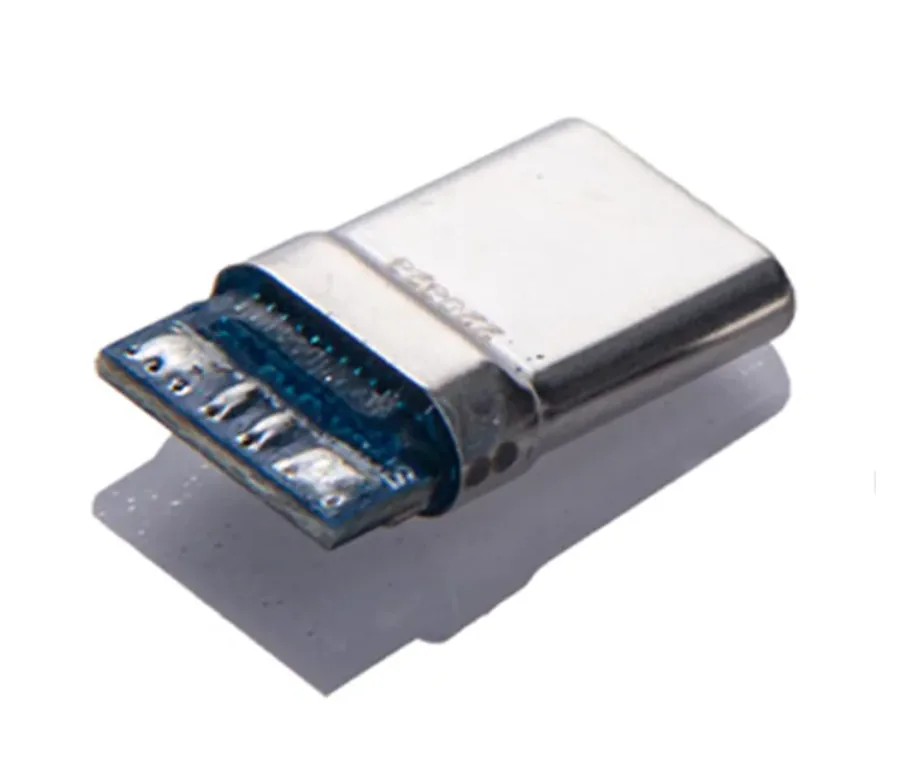
Mechanical Fit And Repeated Use: Mating Reliability In Real Applications
A Type-C connector also needs to perform well mechanically over time. Buyers should assess insertion feel, shell alignment, retention strength, port durability, and resistance to repeated mating cycles. In real applications, frequent plugging, side-force stress, cable movement, and user handling all affect service life. If the shell design, retention points, or terminal structure are not robust enough, the connector may gradually loosen, deform, or fail to maintain stable contact. This is especially important in portable devices, industrial handheld products, test equipment, and modules that require regular connection and disconnection. Long service life depends on the balance between mechanical precision and wear resistance.
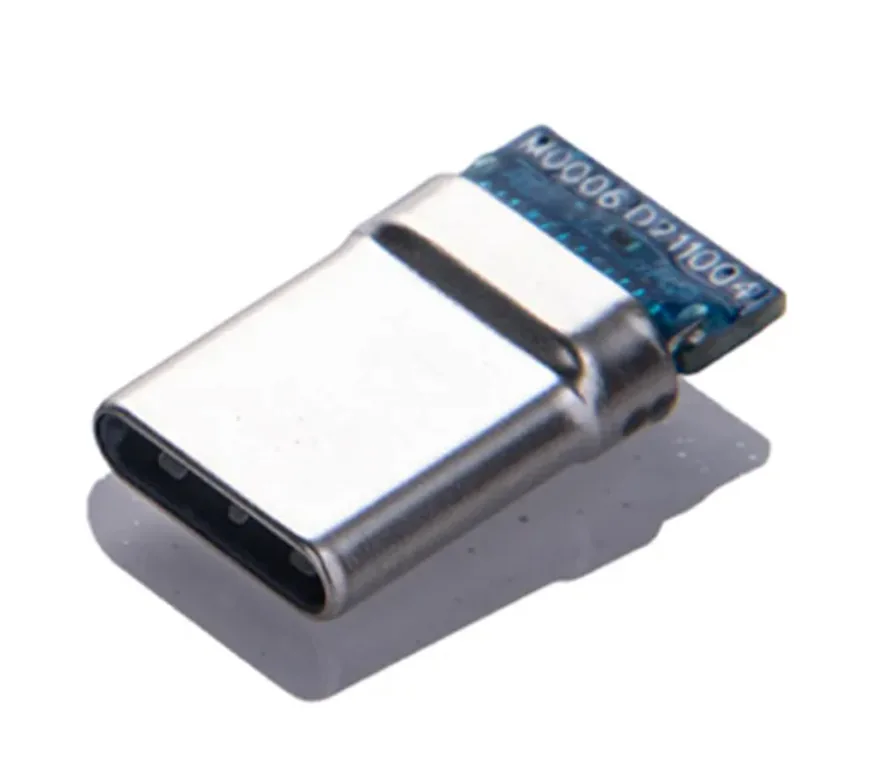
Procurement Risk Control: Application Matching, Assembly Compatibility, And Long-Term Value
The best procurement result comes from choosing a Type-C connector that fits the full project environment rather than the cheapest visible option. Buyers should confirm whether the connector supports the intended PCB layout, assembly process, enclosure space, cable fit, and lifecycle expectations. It is also worth checking if the connector remains stable after repeated thermal cycling, vibration, and operational handling. A well-matched Type-C connector reduces return risk, improves assembly efficiency, and supports better end-product performance. In practice, the right choice is the one that keeps both electrical behavior and mechanical reliability stable over time, not just the one that works during initial sampling.
Related product and article resources
For procurement comparison and technical evaluation, readers can continue with these related product pages and supporting articles.
A reliable Type-C connector should do more than fit a port. It should deliver stable power, support fast and consistent data transmission, and maintain mechanical strength over long-term use. Procurement decisions become much safer when buyers evaluate electrical behavior, mating durability, and full-application compatibility together.
Related connector categories for evaluation: Board To Board Connectors. Related reading: the high speed data and video capabilities of usb type c connectors.