
Connector reliability over time depends heavily on materials and plating. While appearance can look identical across products, long-term performance may differ greatly depending on contact alloy, housing resin, plating thickness, and surface treatment quality. Buyers should not treat materials and plating as background details. They are core factors that influence conductivity, wear resistance, oxidation control, heat tolerance, and service life.
Base Materials: Mechanical Strength And Electrical Stability
The base material of contacts and housings affects both mechanical and electrical performance. Buyers should understand whether the contact alloy provides the right balance of conductivity, spring performance, and fatigue resistance, and whether the housing material can withstand temperature, stress, and environmental exposure without deformation. In compact or high-cycle applications, weak material selection can cause force decay, poor retention, or dimensional instability over time. Good procurement decisions begin with material suitability, not surface appearance.
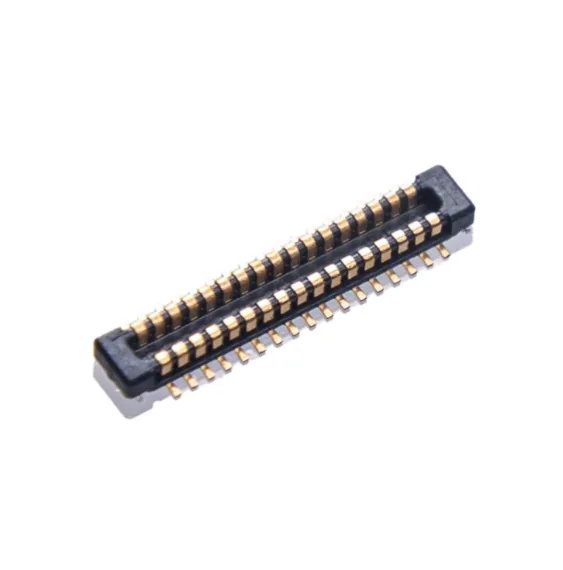
Plating System: Wear Resistance, Oxidation Control, And Contact Reliability
Plating is the working surface of the connector, so its quality matters greatly. Buyers should review plating type, thickness, uniformity, and suitability for the intended application. Gold plating may be preferred for high-reliability signal transmission, while tin plating may be suitable for other use cases, but only when wear and oxidation risks are properly understood. Poor plating control can lead to unstable contact resistance, faster wear, corrosion sensitivity, and lower field reliability. Long-term performance often depends more on plating quality than many buyers initially realize.
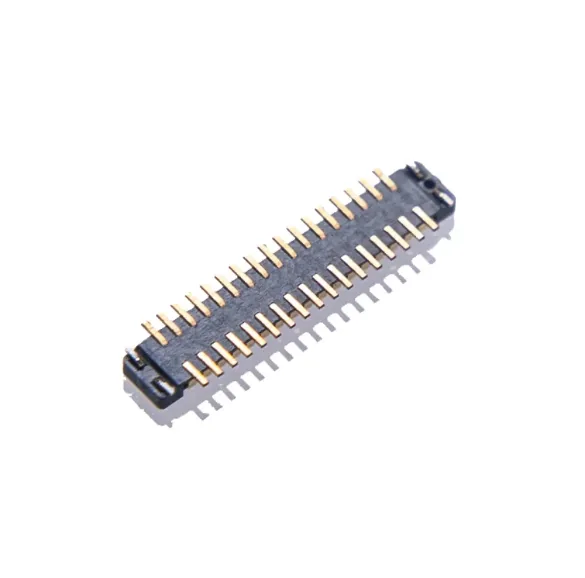
Long-Term Judgment: Testing, Environment, And Lifecycle Thinking
To judge whether materials and plating truly support long-term reliability, buyers should combine technical review with lifecycle thinking. Wear tests, corrosion-related testing, thermal aging, mating cycle evaluation, and application-specific validation all help form a clearer picture. The right material and plating choice is not simply the most premium one, but the one that best fits the required service conditions over time. Procurement becomes stronger when short-term cost is weighed against long-term stability and reduced field risk.
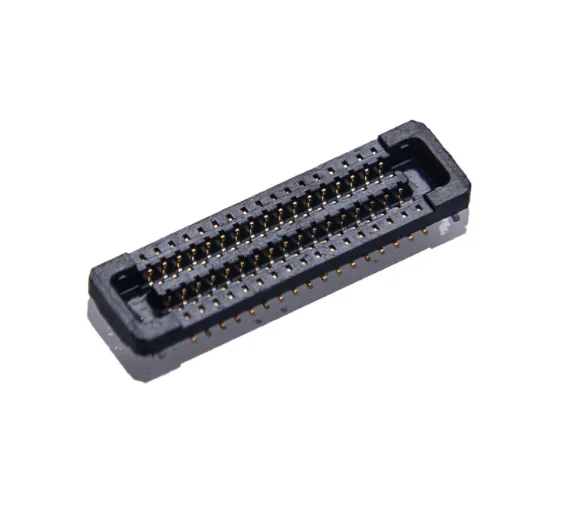
Related product and article resources
For procurement comparison and technical evaluation, readers can continue with these related product pages and supporting articles.
Materials and plating are not minor technical details. They are fundamental to long-term connector reliability. Buyers who examine base materials, plating quality, and lifecycle suitability carefully are far more likely to avoid premature failure, unstable performance, and hidden replacement cost later.
Related connector categories for evaluation: Board To Board Connectors and Floating Board To Board Connectors. Related reading: how to evaluate connector suppliers for long term production stability. More context: manufacturing and quality.