Approving connector samples for mass production is a staged process: engineering sign-off on inspected samples, first-article confirmation on production-intent parts, pilot or process validation on the real line, then locked change control before volume release. Inspection tells you whether a sample is acceptable; the process described here tells you whether the factory can repeat that result at scale. Keep the two gates separate so “sample OK” is never mistaken for “ready for full release.”
For the inspection checklist itself—dimensions, appearance, mating, soldering, and electrical test items—see what buyers should check before approving connector samples. This article assumes those checks have a written method and focuses on workflow, ownership, and cut-in rules.
Stage 1: Engineering Sign-Off On Samples
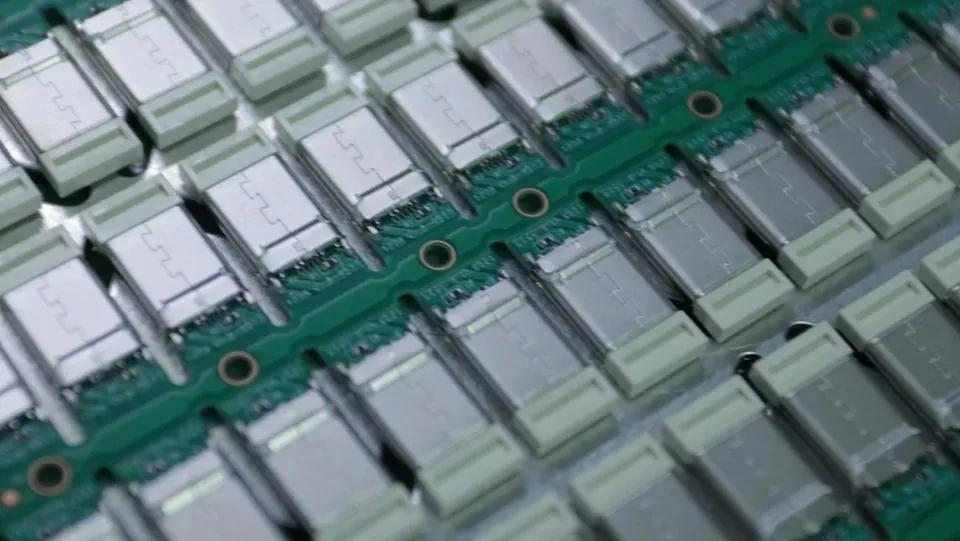
After inspection evidence is complete, engineering (mechanical, electrical, process) issues a formal disposition: approve, approve with conditions, or reject. The sign-off package should name manufacturer, full PN, drawing revision, plating note, packaging code, sample lot ID, and the inspection records that support the decision. Purchasing must order against that same record.
If the sample is design-intent only, state clearly that production-intent first articles are still required. Catalog families such as 0.4 mm pitch board-to-board connectors for consumer electronics and 0.5 mm pitch automotive board-to-board connectors often have multiple siblings at the same pitch—locking the exact PN prevents look-alike substitutions.
Stage 2: First Article On Production-Intent Parts
First article confirms that tooling, plating, and packaging used for volume match the approved sample intent. Repeat critical dimensional and electrical checks on the first-article lot; compare coplanarity and plating evidence when those were risk items. For floating or hybrid power designs, re-check mating behavior and power-pin continuity on floating board-to-board connectors as applicable.
Document any deviation with a written disposition. Informal email approvals without revision control are a frequent source of later disputes.
Stage 3: Pilot / Process Validation
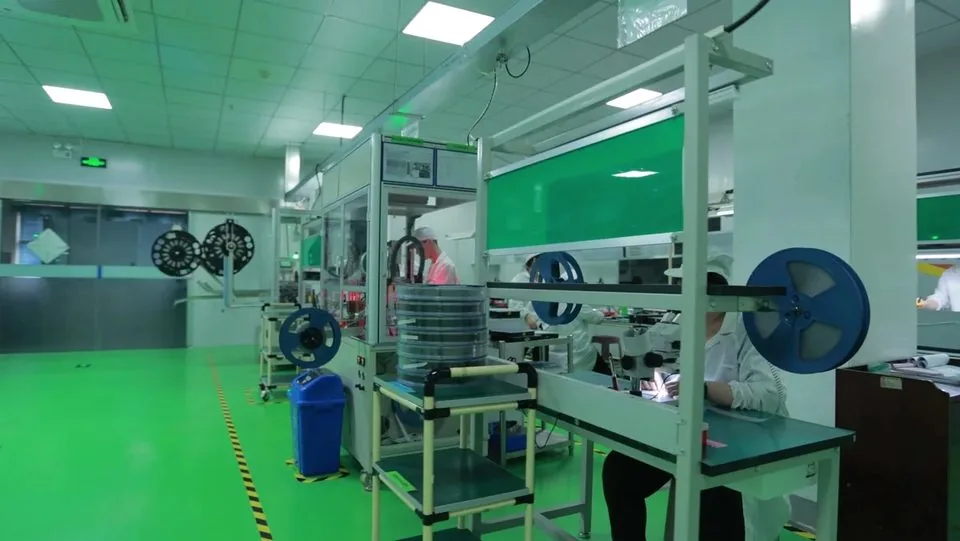
Run a controlled pilot on the actual SMT or harness line using production fixtures, stencil, reflow profile, and operators. Measure first-pass yield, mating yield in final assembly, and any rework modes. Fine-pitch 0.4 mm stacks and wider-window 0.5 mm stacks can behave differently under the same fixtures—validate the process you will ship, not a lab mock-up.
Cable-side interfaces such as LVDS connectors need pilot coverage for cut length, shield termination, and end-to-end electrical sampling. Factory process and inspection context is outlined on manufacturing quality.
Stage 4: Change Control Before And During Volume
After pilot release, freeze the approved-part record. Material, plating, tooling, packaging, or sub-supplier changes should trigger a formal change notice and a risk-based re-validation plan (dimensional only, re-pilot, or full evidence refresh). Buyers should name change-control contacts on both sides and define how cut-in lots are marked.
Schedule realism for custom paths is discussed in real lead time for custom connector and cable assembly orders—stage gates matter more than a single ship date. Drawing discipline that feeds every stage is covered in technical drawings and test data before procurement.
Sample-To-Mass-Production Gate Table
| Gate | Owner focus | Exit criteria |
|---|---|---|
| Sample sign-off | Engineering disposition | Inspection package approved; PN/rev locked |
| First article | Production-intent match | FA dims/electrical accept; deviations closed |
| Pilot | Line yield & process | Agreed yield/mating metrics met |
| MP release | Purchasing + quality | Approved-part record active; IQC plan live |
| Change control | Both parties | Written notice + re-validation plan |
Practical Workflow Checklist
[ ] Inspection method referenced (link to sample inspection criteria)
[ ] Sign-off form lists PN, revision, lot, and owners
[ ] First-article lot identified as production-intent
[ ] Pilot uses production stencil/fixtures/profile
[ ] Incoming inspection plan matches approved record
[ ] ECO / change-notice path agreed in writing
[ ] Retained samples and photos stored
[ ] Second-source geometry differences documented if dual-sourcing
How This Differs From Sample Inspection Alone
Inspection answers product conformity on a lot. Mass-production approval answers process capability, documentation lock, and change discipline. Teams that skip pilot often discover yield cliffs only after customer builds are committed. Teams that skip change control discover silent plating or packaging revisions months later as intermittent field issues.
Communicate Status By Gate, Not By Vague “On Track”
Ask for status notes that name the active gate, open customer actions, open supplier actions, and the next decision date. “Samples shipped” is not the same as “sign-off complete,” and “FA dims OK” is not the same as “pilot yield accepted.” Gate-based communication prevents optimistic purchasing releases while engineering still holds conditional approvals.
When an engineering change is unavoidable after pilot, request an impact statement: which gates reset, whether retained samples remain valid, and how cut-in lots will be identified. Verbal cut-in dates without that statement are a common source of mixed stock in the field.
For programs designed for automotive applications, expect documentation and validation depth to increase—but still separate inspection evidence from process release so teams do not overload a single meeting with both agendas.
Keep Purchasing And Quality On The Same Record
After each gate, update one approved-part record used by purchasing, incoming inspection, and contract manufacturers. Mixed revisions in different plants recreate the same defect as a bad sample. Include packaging codes and pick-up-cap requirements so SMT lines do not improvise handling.
FAQ
Can we release mass production right after a good sample?
Only if the sample was production-intent and the process gate is intentionally waived with written risk acceptance. Most programs still need first article and pilot.
Who should sign the sample disposition?
At least mechanical or interconnect engineering plus process/quality. Purchasing alone should not approve technical fit.
What belongs in the approved-part record?
Manufacturer, series, full PN, drawing revision, plating note, packaging code, supporting inspection/test IDs, and change-control contacts.
How should dual sources be handled?
Run the same gate sequence per source. Matching pitch alone does not make parts interchangeable.
Where do inspection details live?
In the companion article on what buyers should check before approving connector samples—keep process keywords here and inspection keywords there.
Request A Quote
Share target PN or drawings, intended gates (sample / FA / pilot), volume ramp notes, and change-control expectations. Weicheng can align documentation and sample classes to your release process. Start at https://www.wcjmconnect.com/contact.