
Before connector procurement, the drawings and test data that matter most are the controlled outline/mating/PCB-layout set plus electrical, mechanical, and environmental evidence tied to your use case. Incomplete or uncontrolled documents are a common source of footprint errors, wrong stacking height, misunderstood current limits, and mismatch between approved samples and shipped parts. Treat documentation as a decision tool, not an afterthought attachment.
Critical Drawings Buyers Should Require
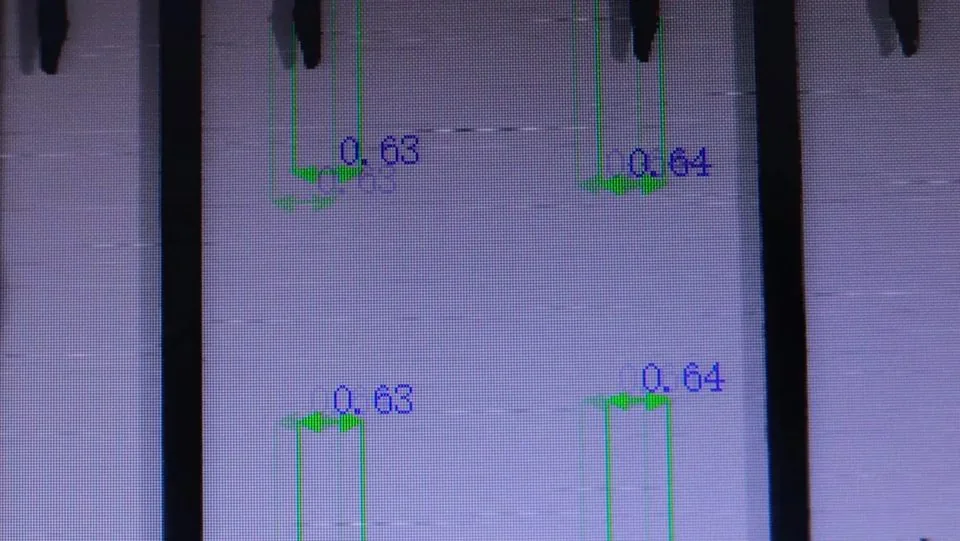
At minimum, request a revision-controlled package that includes:
Overall dimensional / outline drawing — housing envelope, seating height, keep-outs
Mating drawing — plug/receptacle stack, keying, latch or pull-bar clearance
PCB footprint / recommended land pattern — pads, stencil notes, polarity marks
Tolerance definition — critical dimensions for pitch, coplanarity, and location
3D model (STEP) when available — for CAD clash checks and mechanical stack-up
For board-to-board programs, compare footprint and height callouts against series pages such as 0.4 mm pitch automotive board-to-board connectors and floating board-to-board connectors. For display and differential-pair cable interfaces, use the same discipline on LVDS connectors: pitch, position count, locking style, and board-side vs cable-side termination must be visible on the drawing, not inferred from a photo.
Small drawing gaps create large rework. Seating height errors break mechanical envelopes. Latch clearance issues collide with shields or heatsinks. Pin-1 marking confusion flips polarity. Buyers should walk these risks in design review before purchasing tools or loading first articles.
Essential Test Data: Electrical, Mechanical, Environmental
Test data should map to failure modes, not only to a pass stamp. A practical procurement package often includes:
| Domain | Typical data to request | Procurement use |
|---|---|---|
| Electrical | Contact resistance, insulation resistance, dielectric withstand, current rating | Confirm signal integrity margin and power budget |
| Mechanical | Insertion/withdrawal force, terminal retention, mating cycles | Assess handling and service life |
| Environmental | Temperature range, thermal shock/cycling, humidity, vibration/shock as needed | Match product stress profile |
| Process | Solderability / reflow-related notes where provided | Protect SMT yield |
Catalog-oriented electrical anchors (per catalog): 0.4 mm BTB signal contacts commonly listed at 0.3 A; 0.5 mm BTB at 0.5 A per contact; selected floating hybrids list 3.0 A power pins. Always confirm the exact PN datasheet rather than assuming family averages apply to every variant.
Structured tables beat one-line “OK” statements. Ask how samples were conditioned, how many were tested, and whether results apply to the plating and housing revision you are buying.
Revision Control And Consistency Across Documents
Procurement confidence collapses when drawings, STEP files, and test reports disagree. Before approval:
Confirm revision letters and dates align across PDF, STEP, and report cover sheets
Check that plating, pin count, and height on the PO match the approved drawing
Record which sample lot supported which test report
Require a change notice path if materials or tooling change after PPAP-style or sample approval (use your program’s own document process)
Factory documentation discipline and inspection practices are part of this story—see manufacturing quality. Selection checklists that sit upstream of documentation are covered in what buyers should check before choosing a high precision connector. For custom builds, documentation readiness also influences schedule realism discussed in real lead time for custom connector and cable assembly orders.
How To Use Drawings In Cross-Functional Review
Mechanical: clash check housing, latch, and cable exit against enclosure
PCB layout: lock land pattern and keep-outs before copper is frozen
Process engineering: review stencil aperture and pick-up method
Quality: define incoming inspection dimensions and AQL sampling plan
Purchasing: tie approved revision to PO text and incoming inspection criteria
A short internal “document readiness” gate before RFQ reduces late ECOs.
Documentation Readiness Checklist
[ ] Outline + mating + PCB layout drawings received and revision-matched
[ ] Critical tolerances identified for incoming inspection
[ ] Electrical ratings confirmed for signal and power pins (per catalog / datasheet)
[ ] Mechanical force and cycle data reviewed against service plan
[ ] Environmental evidence mapped to product stress profile
[ ] STEP model checked in assembly CAD
[ ] Sample PN matches drawing revision intended for production
[ ] Change-control contact named on both buyer and supplier sides
Bridging Engineering Approval And Purchasing Release
A frequent failure mode is that engineering approves a PDF while purchasing orders against a commercial description that no longer matches. Close that gap with a single approved-part record that lists: manufacturer, series, full PN, drawing revision, plating note, packaging code, and the test report IDs that support release. Incoming inspection should reference the same record.
For cable assemblies and LVDS sets, add workmanship criteria (crimp height windows, shield termination method, continuity/hi-pot sampling) to the same package. Drawings alone do not define workmanship; without those notes, two “conforming” lots can behave differently in EMI or flex life.
When multiple plants or contract manufacturers build the same product, circulate the approved package as a controlled zip or PLM object. Local “helpful” footprint tweaks without a formal ECO are a classic source of intermittent opens that look like connector defects but are actually land-pattern drift.
FAQ
Is a datasheet alone enough to approve a connector?
Usually no. Datasheets summarize; procurement needs controlled drawings for footprint and mating, plus test evidence for the stresses that matter to your product.
Which drawing mistake causes the most rework?
PCB footprint and stacking-height mismatches are frequent. Always verify land pattern and mated height against the mechanical stack before releasing Gerbers.
How should buyers treat “typical” values in catalogs?
Treat them as orientation. Approve only values stated for the specific part number and revision you will purchase, labeled per catalog or per datasheet as applicable.
Do LVDS and BTB need the same document set?
The structure is similar (outline, mating/termination, footprint where applicable), but LVDS packages add cable construction, locking, and differential-pair pinout clarity.
What if the supplier updates plating mid-program?
Require a formal change notice and reassess solderability and contact-performance evidence before accepting the new revision into production stock.
Request A Quote
Send your target series or competitor PN, required drawings checklist, and application stress notes. Weicheng can supply controlled drawings, STEP files where available, and relevant test summaries for engineering review. Contact the team at https://www.wcjmconnect.com/contact.