
For many buyers, the biggest risk in connector procurement is not whether the first sample looks acceptable, but whether the quality can remain stable across repeated bulk orders. A connector may pass initial testing, yet later batches can show variation in dimensions, plating thickness, insertion force, contact resistance, or cable assembly consistency. Once such variation enters a production line, the result is often assembly inefficiency, field failure, warranty pressure, and hidden cost. That is why serious procurement decisions should always focus on long-term consistency rather than one-time qualification.
Dimensional Consistency And Tooling Stability In Bulk Connector Orders
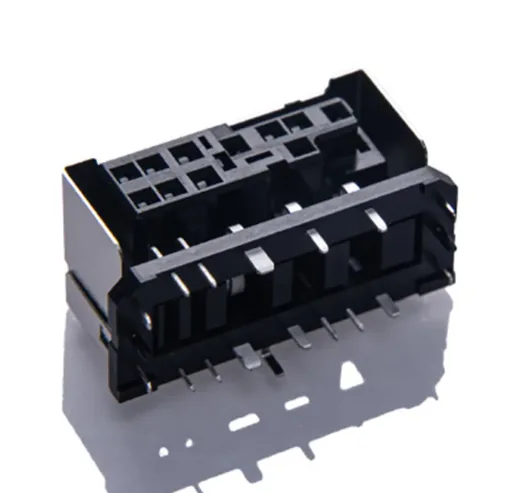
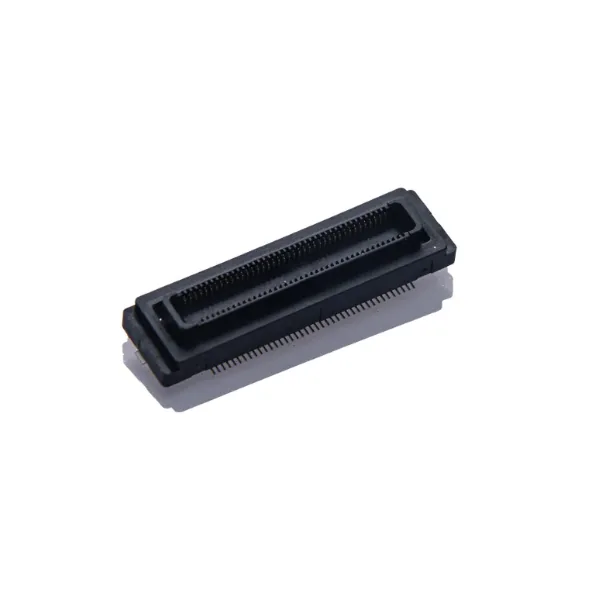
The first signal of stable connector quality is dimensional consistency. In repeated orders, even small deviations in pitch, terminal position, housing flatness, locking structure, or pin alignment can create mating problems and assembly instability. Buyers should pay close attention to whether critical dimensions stay within tolerance over time, especially for fine-pitch, board-to-board, FPC, and miniature interconnect products. Tooling condition, wear rate, and cavity consistency all directly affect repeatability. In practical procurement, it is worth checking whether dimensional reports from different lots remain close enough to support automated assembly and long production cycles.
Plating, Contact Resistance, And Electrical Performance Stability
Beyond dimensions, repeated bulk performance depends heavily on plating consistency and electrical behavior. Buyers should care about whether gold, tin, or nickel plating thickness remains stable from batch to batch, because fluctuations can affect contact resistance, oxidation behavior, and insertion life. A connector that performs well in a short trial may still become unreliable in field use if electrical consistency is not controlled over time. Procurement teams should review batch-level data for contact resistance, insulation resistance, dielectric withstanding voltage, and temperature rise where relevant. Stable electrical performance is what separates acceptable sampling from dependable long-term procurement.
Process Discipline, Lot Traceability, And Risk Control
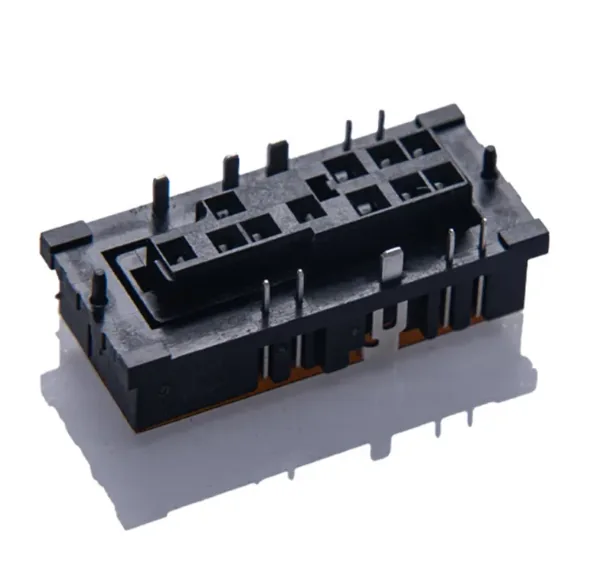
True consistency comes from process discipline. Buyers should favor procurement programs where each production lot can be traced back to material batch, molding condition, stamping condition, plating records, and final inspection data. This helps identify the source of any deviation quickly and reduces the risk of recurring quality problems. Lot coding, retention samples, and change management are also important. If raw materials, tooling settings, or surface treatment conditions change without visibility, repeat-order stability becomes much harder to trust. Procurement is safer when every batch is controlled like a repeatable system, not treated as an isolated shipment.
Related product and article resources
For procurement comparison and technical evaluation, readers can continue with these related product pages and supporting articles.
Repeated bulk connector procurement should never be judged by first-batch appearance alone. Real quality stability means dimensional control, plating consistency, electrical repeatability, and traceable production discipline all remain dependable over time. Buyers who evaluate these areas early can reduce hidden production losses and build a far more reliable procurement chain.
Related connector categories for evaluation: Floating Board To Board Connectors. Related reading: how to evaluate connector suppliers for long term production stability. More context: manufacturing and quality.