
Custom Connector Price Guide: What Affects The Cost
Custom connector pricing can vary significantly depending on design complexity, raw materials, tooling requirements, production volume and testing standards. Understanding what affects connector pricing helps buyers avoid hidden costs and make better sourcing decisions.
Get Quote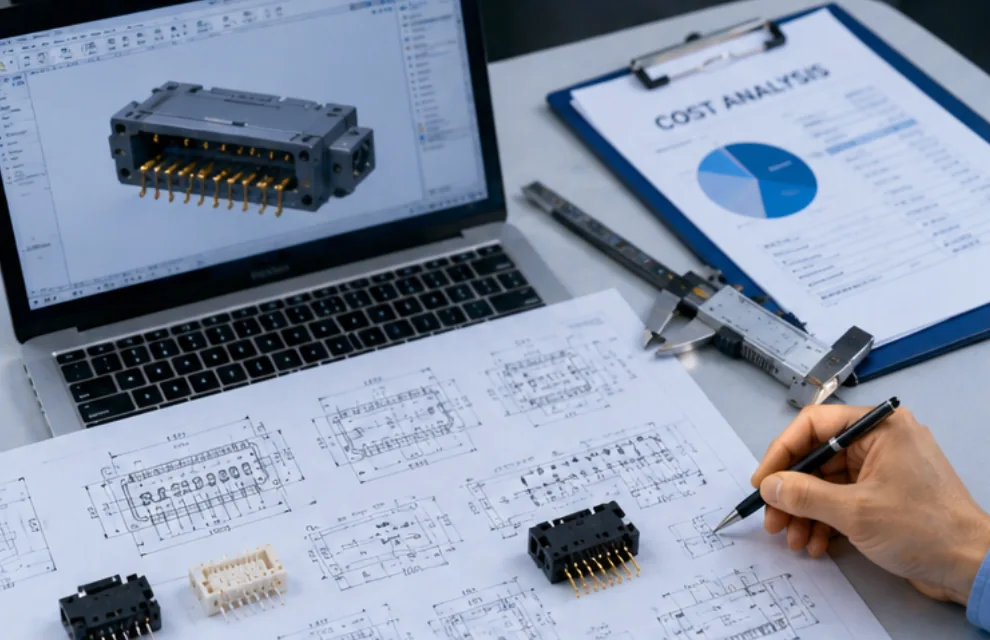
1. Connector Design Complexity
The biggest pricing factor is product design complexity. Standard connectors are usually cheaper because tooling and engineering costs have already been shared across large production volumes.
Custom connectors often require new structural development, custom pin layouts, special housing designs, unique locking mechanisms or miniaturized dimensions. The more complex the design, the higher the engineering and development cost.
2. Raw Material Selection
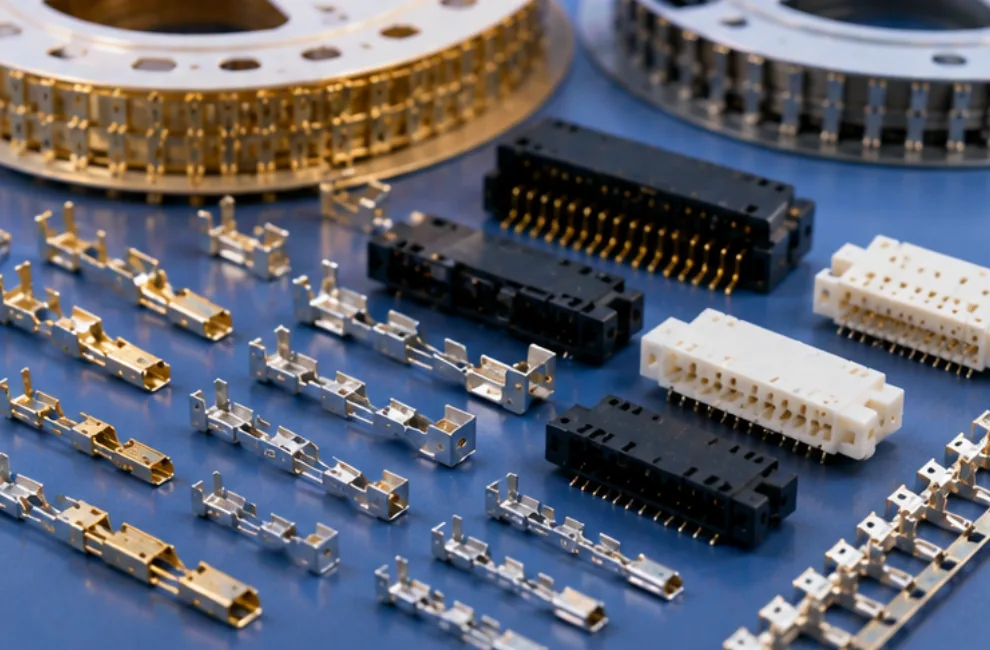
Terminal material, plastic housing material and plating materials directly impact pricing. Copper alloy terminals cost more than standard materials but provide better conductivity and durability.
Gold plating typically costs more than tin plating, while high-temperature engineering plastics increase production costs for connectors used in automotive, medical and industrial applications.
3. Tooling And Mold Cost
For fully customized connectors, tooling costs can be significant. Stamping molds, injection molds and assembly fixtures may all require investment before mass production begins.
If the supplier already has a similar platform that can be modified, tooling costs may be reduced. Buyers should always confirm whether mold fees are one-time costs or included in product pricing.
4. Order Quantity And Production Volume
Small trial orders usually have higher unit prices because setup costs are spread across fewer units. Large production volumes reduce unit cost through automation and material purchasing efficiency.
Buyers should provide estimated annual demand to help suppliers offer more accurate pricing structures.

5. Testing And Quality Requirements
Automotive, medical and industrial connectors often require stricter testing standards, which increases pricing. Common tests include salt spray testing, vibration testing, thermal cycling and durability testing.
Higher reliability requirements usually mean higher manufacturing costs—but they also reduce long-term failure risks.
Connector Cost Breakdown
| Cost Factor | Impact Level | Notes |
|---|---|---|
| Design Complexity | High | Custom structures increase engineering costs |
| Material | High | Gold plating and premium materials cost more |
| Tooling | High | New molds require upfront investment |
| Quantity | Medium | Higher volume lowers unit cost |
| Testing | Medium | Additional certifications increase pricing |

Conclusion
Custom connector pricing is influenced by design complexity, raw materials, tooling costs, production volume and testing requirements. The cheapest quote is not always the best option if it compromises long-term reliability.
Related product and article resources
For procurement comparison and technical evaluation, readers can continue with these related product pages and supporting articles.
If you need a custom connector quote, send us your drawings or project requirements for fast engineering review.
Contact UsRelated connector categories for evaluation: Board To Board Connectors and Floating Board To Board Connectors. Related reading: how to evaluate connector suppliers for long term production stability. More context: manufacturing and quality.