
Custom connector projects often begin because standard products cannot fully solve a design challenge. The required space may be too limited, the pin layout may be unusual, the cable routing may be difficult, or the mechanical interface may need to fit a unique housing. However, customization only creates value when it truly improves fit, assembly efficiency, and long-term reliability. Buyers should evaluate custom connector feasibility from a project perspective, not just from a drawing request.
When Standard Connectors Stop Being Enough
Custom connectors are most useful when standard interfaces create compromises in size, routing, assembly access, or electrical performance. Buyers should identify exactly which design constraints the project is facing: reduced mounting space, unusual pitch, integrated cable direction, combined power and signal structure, or a need for improved locking and retention. If customization solves a specific structural or functional problem, it can simplify assembly and reduce downstream risk. If not, it may simply add cost and complexity without meaningful benefit.
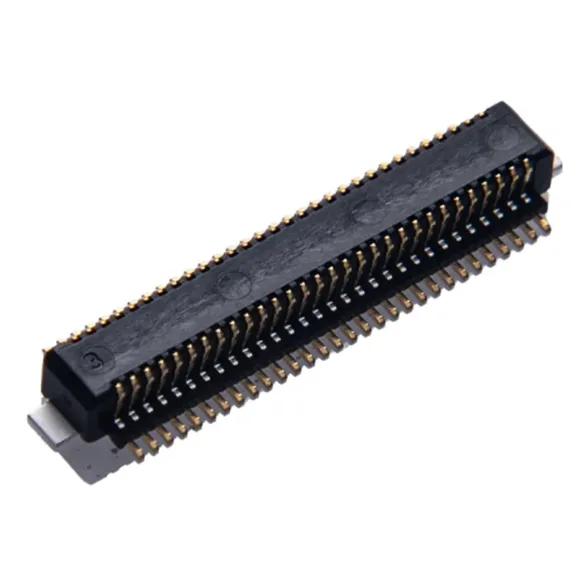
Matching Design Intent With Assembly Reality
A custom connector should not only match the design concept, but also support real assembly conditions. Buyers should evaluate whether the proposed structure allows smooth PCB mounting, cable termination, manual or automated assembly, inspection access, and maintenance. Overly complex custom designs may look ideal in CAD but become difficult to produce or install consistently. Good customization balances design intent with manufacturing practicality, making the final product easier to assemble rather than harder.
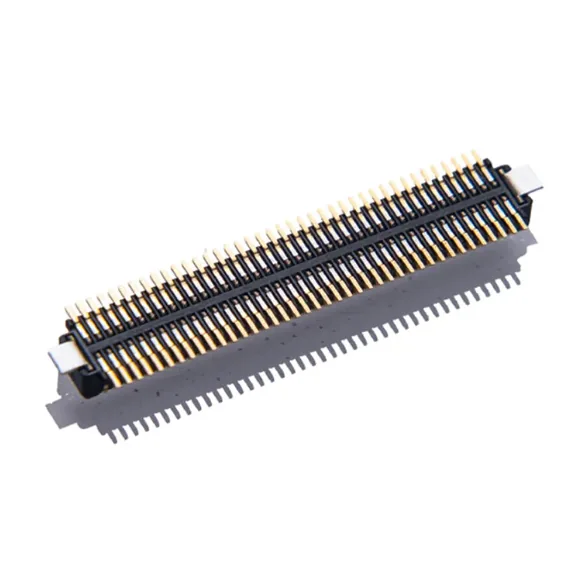
Long-Term Value Of Custom Connector Decisions
The long-term value of customization depends on whether it improves performance, reliability, and integration over the product lifecycle. Buyers should consider not only the initial fit but also future repeatability, change control, validation effort, and maintenance implications. In many projects, the right custom connector can reduce total integration effort and improve product differentiation. But successful procurement depends on choosing customization for the right reasons: function, assembly, and reliability—not novelty alone.
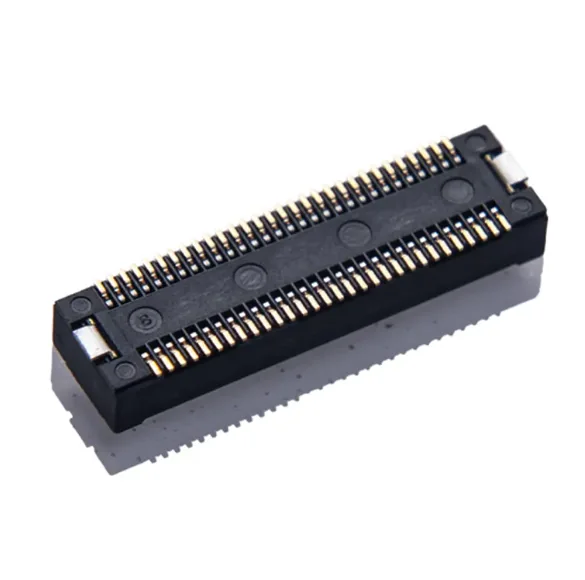
Related product and article resources
For procurement comparison and technical evaluation, readers can continue with these related product pages and supporting articles.
Custom connectors can absolutely match complex design and assembly requirements—but only when the customization is driven by real project constraints and evaluated through practical assembly logic. Buyers gain the most value when customization reduces risk, simplifies integration, and supports long-term reliability.
Related connector categories for evaluation: Board To Board Connectors and Floating Board To Board Connectors. Related reading: how to evaluate connector suppliers for long term production stability. More context: manufacturing and quality.