
The Core Challenge: Managing Complexity and Stress in Centralized Computing
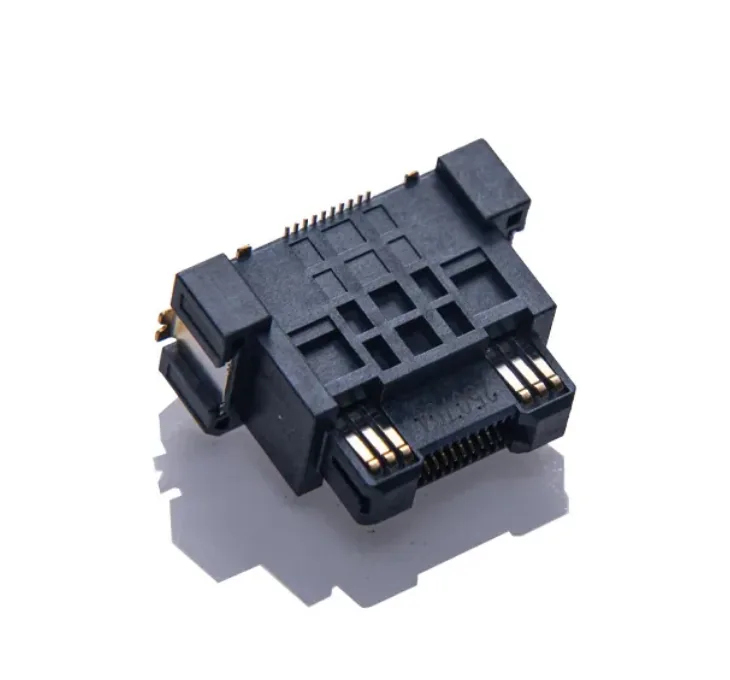
The evolution of Advanced Driver-Assistance Systems (ADAS) towards centralized, high-performance domain controllers represents a paradigm shift in automotive electronics. These controllers consolidate data from multiple sensors—cameras, radar, LiDAR—and execute complex algorithms for perception and decision-making. This architectural shift packs immense computing power into compact housings, requiring dense integration of multiple high-speed PCBs and power modules. The core challenge is ensuring reliable interconnection amid cumulative mechanical tolerances, differential thermal expansion of diverse materials, and constant high-frequency vibration from the vehicle. Traditional rigid board-to-board (BTB) connectors are ill-suited here, as they transfer assembly stress and thermal strain directly to solder joints, creating risks of cracked BGA connections and intermittent failures. This is where floating BTB connectors become indispensable. Designed with built-in compliance mechanisms, they accommodate multi-axis misalignment—absorbing stress that would otherwise compromise the electrical and mechanical integrity of the most critical computing node in the vehicle. They transform the physical interface from a potential point of failure into a robust, stress-managing bridge, forming the foundational layer of reliability for the entire ADAS domain.
Enabling Dense, High-Speed Signal Integrity Under Duress
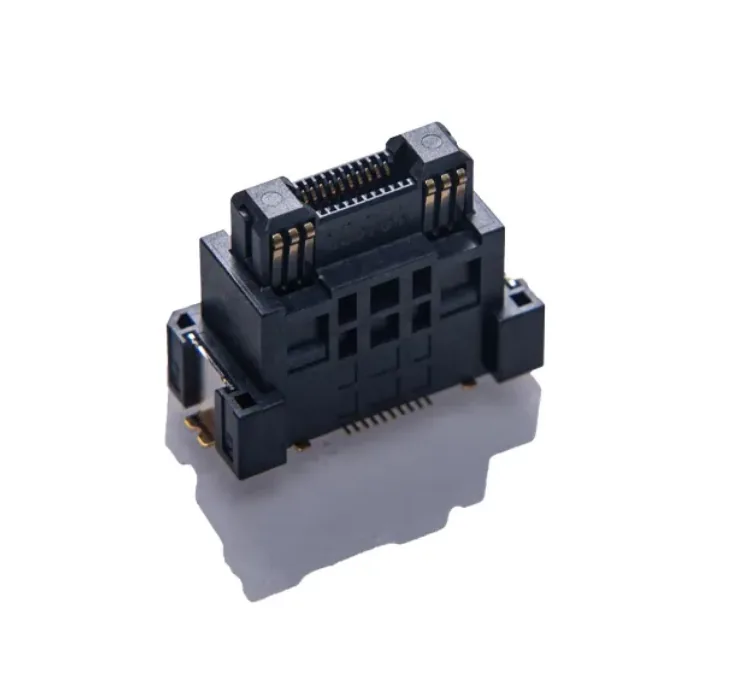
The performance of an ADAS domain controller hinges not just on physical connection, but on the transmission of high-speed data under validated conditions. These systems utilize SerDes links, high-speed serial interfaces, and high-bandwidth memory buses, all requiring impeccable signal integrity. Any instability in the connection can cause data corruption, latency, or loss, directly impacting safety-critical functions. Floating BTB connectors are engineered to maintain this critical electrical performance even while accommodating mechanical movement. Key to this is the design of the compliant contact system. Advanced designs employ precisely formed spring contacts that provide consistent normal force and controlled impedance throughout the connector's float range, ensuring stable contact resistance and minimizing signal reflection. Furthermore, to protect sensitive high-speed signals from electromagnetic interference (EMI) in the crowded controller environment, these connectors often incorporate integrated shielding within their housings. The ability to provide both mechanical compliance and electrical precision in a single component allows engineers to design denser stack-ups and more complex interposers, maximizing computational density without sacrificing the signal fidelity that ADAS algorithms depend on. This dual capability is what makes floating connectors a key enabler of the miniaturized yet immensely powerful domain controller architecture.
Manufacturing Precision: The Foundation of Field Reliability
The sophisticated functionality of a floating BTB connector is only as good as its manufacturing consistency. In automotive applications, and especially for safety-critical ADAS, every single connector must perform identically over a 15+ year lifespan under harsh conditions. This demands uncompromising manufacturing precision. The micro-spring contacts require high-precision stamping with tolerances measured in microns to ensure their mechanical and electrical properties are perfectly replicated. The plastic housings that guide the float motion must be produced via precision molding to avoid any binding or excessive play. For a manufacturer like Weicheng, this is where vertical integration and advanced automation prove critical. Controlling the entire process—from in-house mold design and high-speed stamping to automated assembly—ensures complete control over quality and traceability. Most importantly, 100% Automated Optical Inspection (AOI) is non-negotiable. It scans every connector for defects like bent contacts, molding flaws, or incorrect assembly—issues invisible to the human eye but catastrophic in the field. This marriage of innovative design with precision automated manufacturing is what transforms the floating connector from a clever concept into a mass-producible component for automotive applications that engineers can specify with confidence, knowing it will deliver unwavering reliability in the heart of the vehicle's most advanced systems.
Related product and article resources
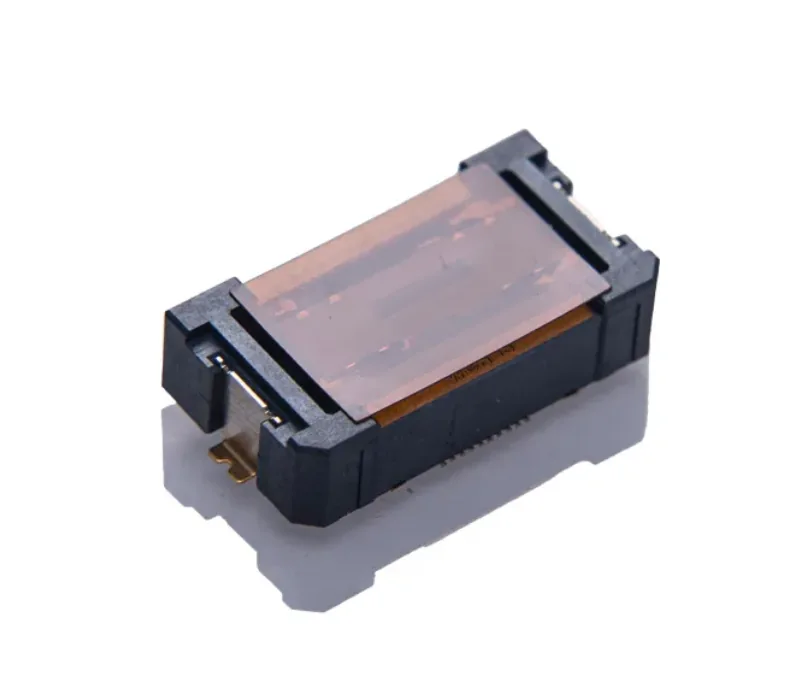
For procurement comparison and technical evaluation, readers can continue with these related product pages and supporting articles.
In summary, floating board-to-board connectors are not merely components but critical system enablers for next-generation ADAS domain controllers. They address the fundamental dichotomy of modern automotive electronics: the need for increasingly dense, high-speed computing packaged within environments of inherent physical stress. By providing mechanical compliance to manage thermal and vibrational strain, and maintaining electrical integrity for data transmission under validated conditions, they safeguard the core of autonomous functionality. Their successful implementation, however, is a testament to precision engineering and manufacturing excellence. As ADAS systems evolve towards higher levels of autonomy, the role of the floating connector as the reliable, high-performance nexus between critical processing boards will only grow in importance. It embodies the sophisticated interconnection solution required to turn the powerful vision of software-defined vehicles into a safe, reliable, and mass-produced reality.
Related connector categories for evaluation: 05mm Pitch Automotive Board To Board Connectors. Related reading: floating connector vs standard board connector for automotive electronic. More context: manufacturing and quality.