
The Neural Pathways of In-Vehicle Vision: Ensuring Signal Integrity in Noisy Environments
Modern vehicles are evolving into sophisticated data centers on wheels, where high-resolution displays and ADAS camera systems generate massive amounts of visual data. Low-Voltage Differential Signaling (LVDS) connectors serve as the critical neural pathways for this data flow, enabling the high-speed transmission of uncompressed video streams from cameras to processing units and from processors to displays. Unlike conventional single-ended signaling, LVDS technology transmits data as the voltage difference between two complementary signals, providing inherent immunity to common-mode electromagnetic interference (EMI). This capability is crucial in the electrically noisy automotive environment, where signals from power electronics, motors, and wireless systems could otherwise corrupt the pristine video data needed for safety-critical functions. The robust differential signaling of LVDS connectors ensures that the high-definition feed from a forward-facing ADAS camera or the graphics on a digital instrument cluster arrive with impeccable fidelity, forming the reliable sensory input upon which both driver awareness and autonomous systems depend.
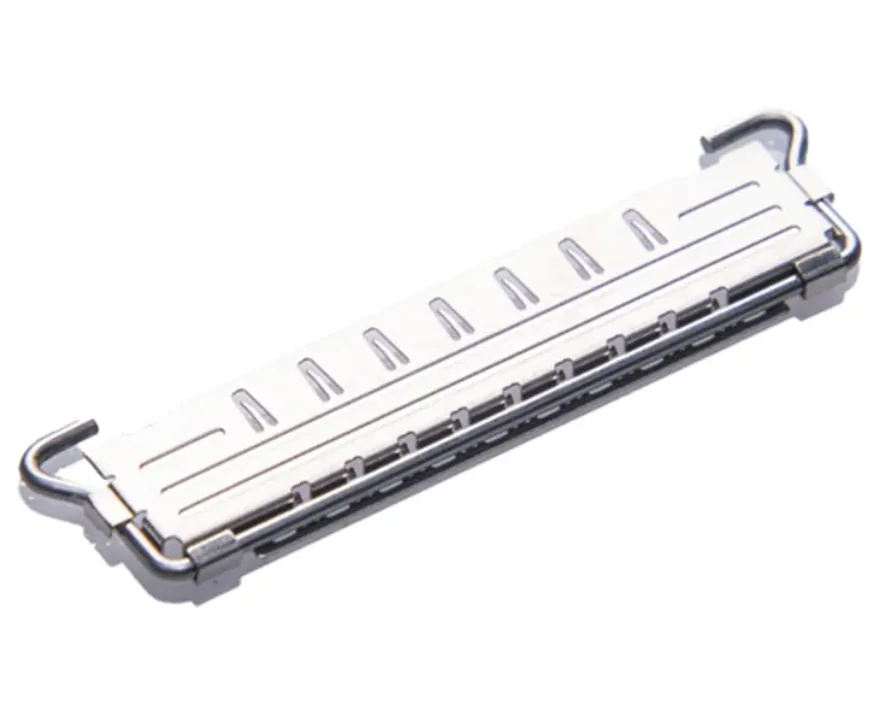
Engineered for Automotive Extremes: Durability Meets Precision
Automotive applications demand components that can withstand conditions far more severe than typical consumer electronics. LVDS connectors in vehicles must maintain optimal performance while enduring extreme thermal cycling—from sub-zero cold starts to the intense heat within sun-exposed dashboard assemblies or near engine compartments. They are engineered to operate reliably across wide temperature ranges (e.g., -40°C to +105°C or higher) without signal degradation. Furthermore, they must resist constant vibration and mechanical shock from road irregularities, requiring designs with secure locking mechanisms and contacts that maintain stable electrical connection under duress. Manufacturers such as Weicheng apply precision stamping and process control to produce LVDS connectors designed for automotive applications and the thermal, vibration, and EMI conditions described above. Their vertical integration—controlling processes from high-precision mold design to automated assembly—ensures that every connector delivers consistent performance. This includes maintaining proper impedance matching and effective shielding integrity to preserve signal quality, ensuring that neither a bumpy road nor a temperature extreme compromises the clarity of a backup camera feed or the responsiveness of a touchscreen display.
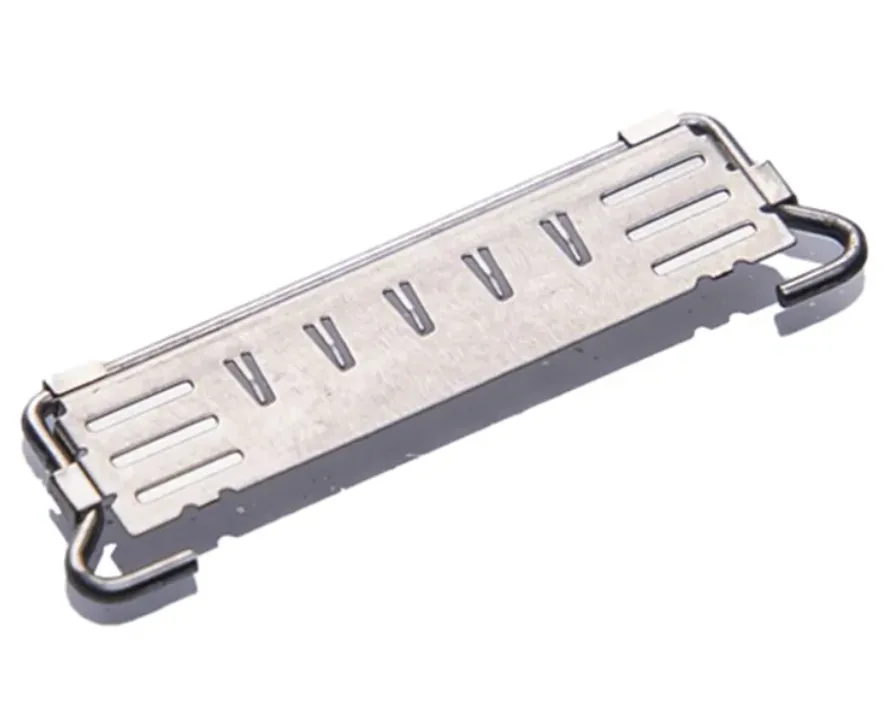
Enabling Next-Generation Architectures: Miniaturization and High-Density Integration
The automotive industry's shift towards zonal electrical/electronic architectures and the increasing number of cameras and displays per vehicle are driving the need for more compact, high-density interconnection solutions. Future LVDS connectors are evolving to meet this challenge through advanced miniaturization and innovative form factors. This includes the development of finer pitch designs and the adoption of compact interfaces like Board-to-Board (BTB) and Flexible Printed Circuit (FPC) connectors, which allow multiple high-speed LVDS pairs to be routed within the tight spaces of modern vehicle cabins and sensor modules. This miniaturization must not compromise performance. It demands even greater precision in manufacturing to maintain critical signal integrity parameters like differential impedance and crosstalk control in a reduced footprint. As video resolutions increase towards 4K and 8K for displays, and as ADAS cameras adopt higher frame rates and high dynamic range (HDR), LVDS connectors are being designed to support higher data rates while building upon their proven noise-resistant foundation. This evolution ensures they remain a future-proof solution, enabling the dense integration of the sophisticated visual systems that are central to the connected, software-defined vehicles of tomorrow.
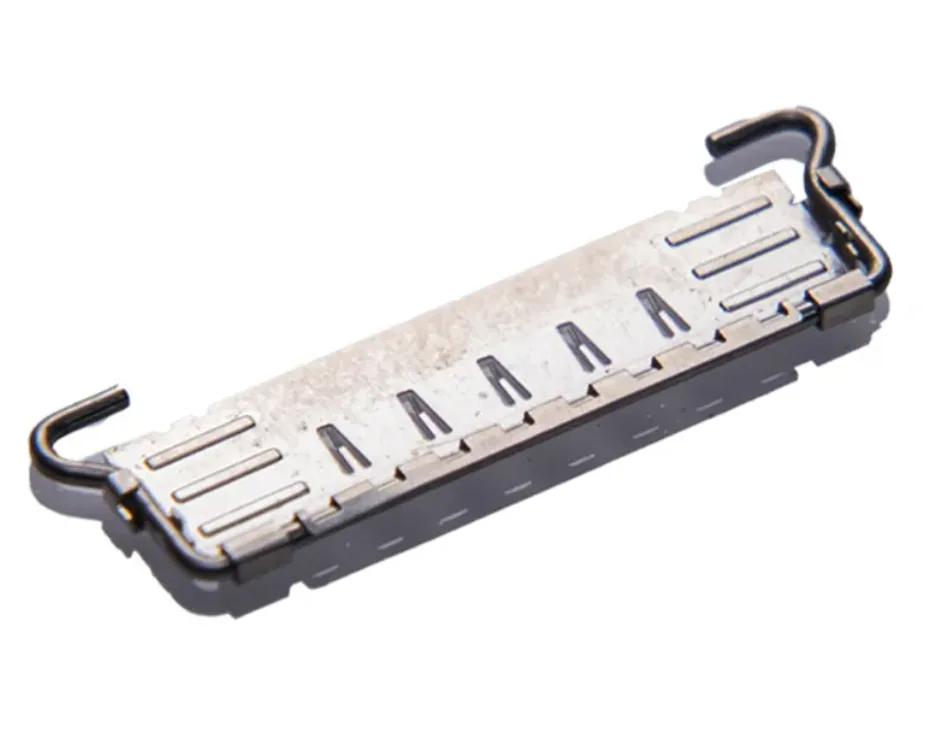
Related product and article resources
For procurement comparison and technical evaluation, readers can continue with these related product pages and supporting articles.
In summary, LVDS connectors are far more than simple conductive links; they are engineered lifelines for in-vehicle visual data. Their critical role is defined by a triad of essential characteristics: providing high-fidelity, high-speed transmission immune to automotive EMI; delivering exceptional durability against thermal, vibrational, and environmental extremes; and evolving towards space-saving, high-density designs for next-generation vehicle integration. As the automotive industry's reliance on cameras and screens grows—for both safety and experience—the performance and reliability of these connectors become inseparable from the vehicle's core functionality. Successfully implementing these vision systems requires connector specialists with high-frequency design experience, materials suited to automotive environments, and controlled automated manufacturing. Buyers should confirm series ratings and request available test documentation for the intended vehicle life.
Related connector categories for evaluation: 04mm Lvds 20680. Related reading: board to board lvds connector faq.