
Board-to-board connectors are essential in compact electronic systems where space is limited but electrical performance and structural precision must remain high. In many projects, however, the challenge is not simply reducing connector size. The real difficulty is maintaining contact reliability, mating precision, and assembly stability while fitting into a tighter layout. Procurement decisions should therefore focus on more than pitch and height. A truly suitable board-to-board connector must work reliably within the complete design environment.
Compact Design Needs More Than A Smaller Connector
When selecting a board-to-board connector for a compact system, buyers should first understand the actual design priorities. Reduced connector height or smaller pitch may save space, but these choices also affect mating tolerance, PCB alignment, and structural robustness. In dense assemblies, even very small positional deviation can lead to difficult insertion, uneven contact, or long-term reliability issues. Procurement should evaluate the full design context, including stacking height, contact arrangement, mating direction, and service access. Space-saving is valuable only when it does not create greater assembly or performance risk later.
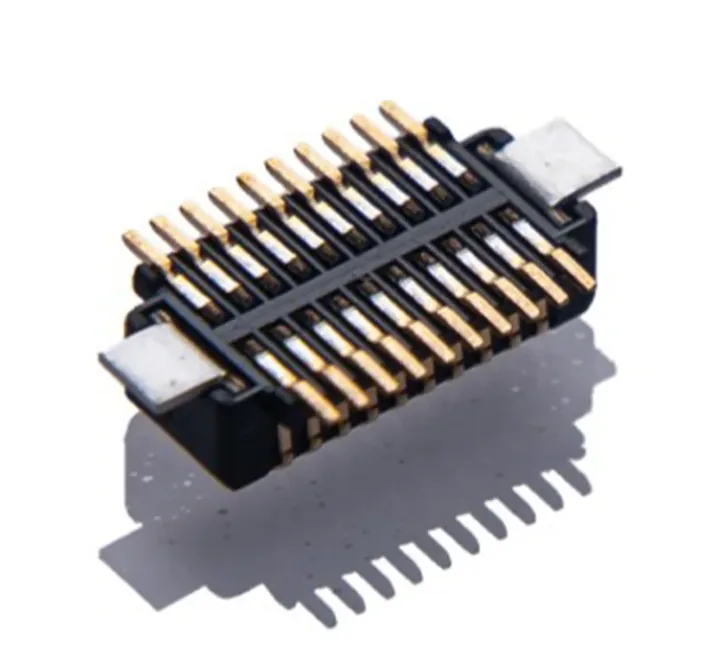
Stability In Board-To-Board Connectors Depends On Precision And Contact Design
A compact board-to-board connector must remain stable both mechanically and electrically. Buyers should assess contact structure, terminal precision, coplanarity, insertion behavior, and retention performance. In small-pitch connectors, the allowable error margin is already low, so contact consistency matters greatly. If the terminal system is not stable enough, the result may be intermittent contact, assembly difficulty, or declining reliability over repeated use. Procurement becomes much safer when the connector is reviewed as a precision interconnect component rather than a simple space-saving item.
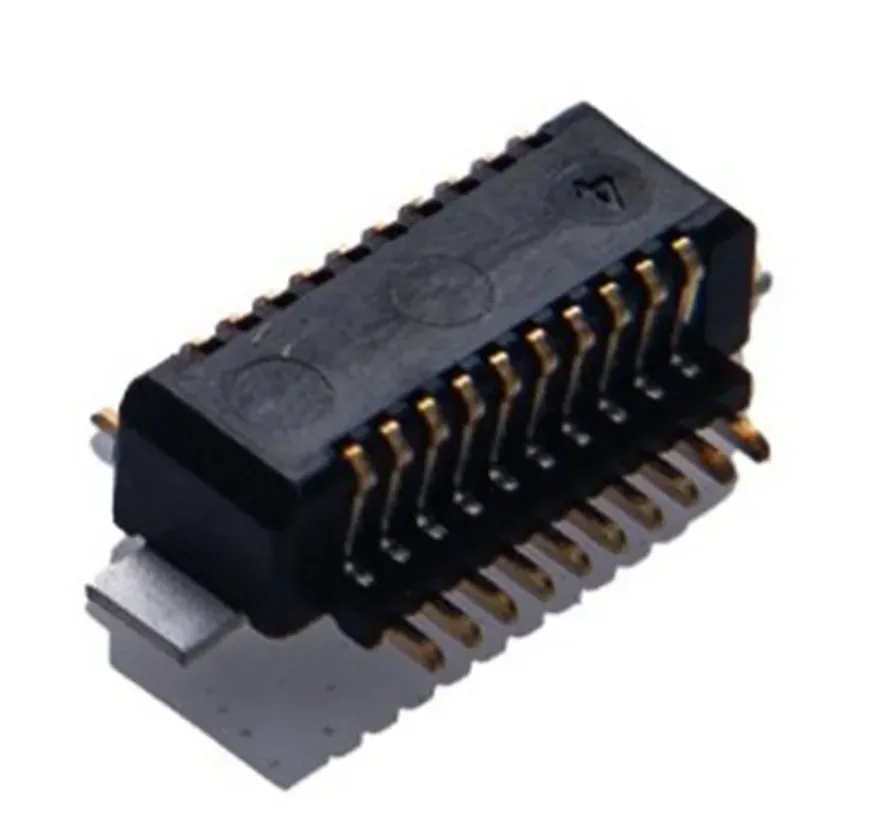
Assembly Compatibility And Long-Term Reliability In Tight Layouts
Compact layouts often make assembly more sensitive. Buyers should review whether the connector is compatible with the intended PCB process, board tolerance, production handling, and mechanical support conditions. A board-to-board connector that fits in CAD may still become difficult to assemble in real production if alignment windows are too narrow or the structure is too delicate. Long-term stability also depends on how the connector responds to vibration, thermal expansion, and repeated product handling. The best choice is the one that balances compact size with robust long-term performance.
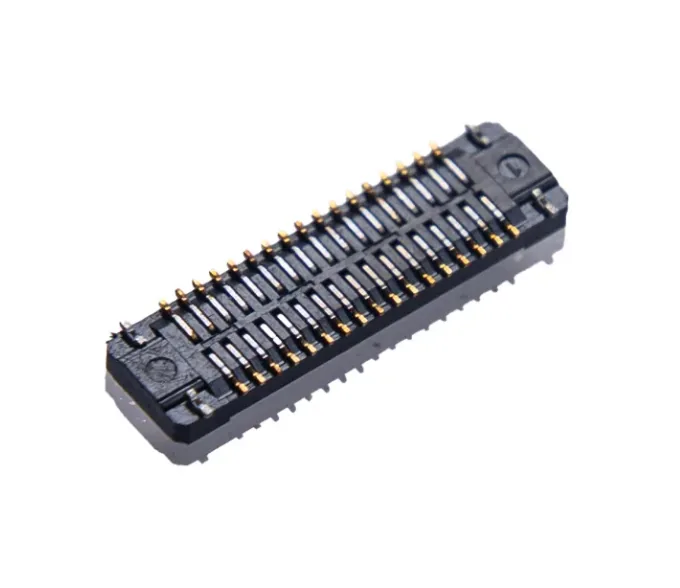
Related product and article resources
For procurement comparison and technical evaluation, readers can continue with these related product pages and supporting articles.
Selecting a board-to-board connector for a compact design is not just about reducing size. It is about keeping precision, contact stability, and assembly reliability intact inside a smaller space. Buyers who evaluate both design fit and long-term use conditions make far safer procurement decisions.
Related connector categories for evaluation: 04mm Pitch Board To Board Connectors For Consumer Electronics. Related reading: board to board connector pitch and stack height selection guide.