
LVDS connectors and cable assemblies are often used in displays, control systems, communication modules, industrial equipment, and other applications where signal stability is essential. Procurement teams usually focus on whether the connector and cable can fit the system, but the more important issue is whether they can maintain low signal loss and stable transmission over time. In practice, signal-related failures often come from structure, contact, cable routing, or assembly mismatch rather than from one obvious defect.
Signal Loss In LVDS Systems Often Starts With Connector And Cable Details
LVDS applications require stable differential signal transmission, so procurement should pay close attention to connector layout, contact precision, cable structure, and consistency of the transmission path. Even if the connector and cable appear correctly matched, poor structural control or unstable contact can introduce loss, interference, or transmission inconsistency. Buyers should review whether the design supports clean signal routing, proper mechanical fit, and stable connection under real installation conditions. In signal-sensitive systems, small structural weaknesses often create much larger performance consequences later.
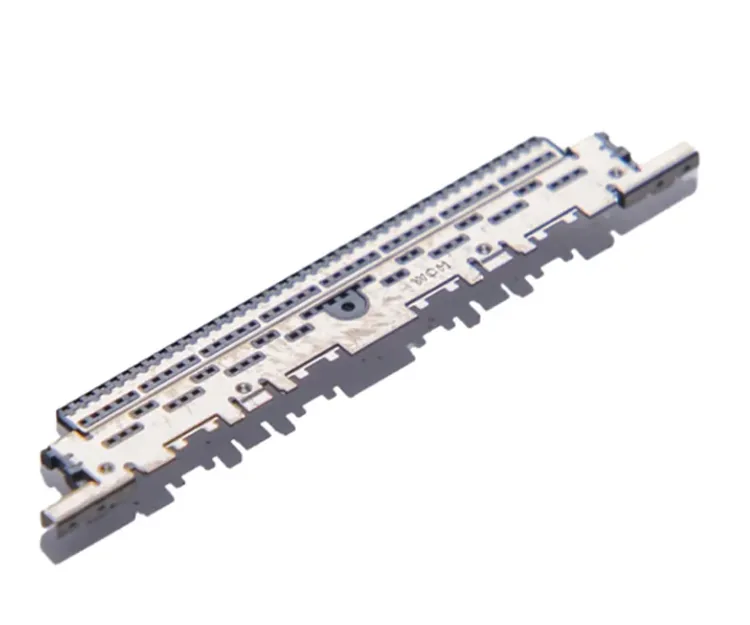
Contact Stability, Cable Routing, And Assembly Quality Matter Greatly
Signal reliability in LVDS assemblies depends not only on electrical design but also on contact quality and cable routing behavior. Buyers should evaluate terminal engagement, retention stability, cable bend control, shielding effectiveness where needed, and installation repeatability. A cable assembly that is too stressed during routing, too loose at the connector, or poorly supported inside the device may create unstable transmission after thermal cycling or repeated handling. Procurement should therefore treat the connector and cable as one integrated transmission system rather than two separate items.
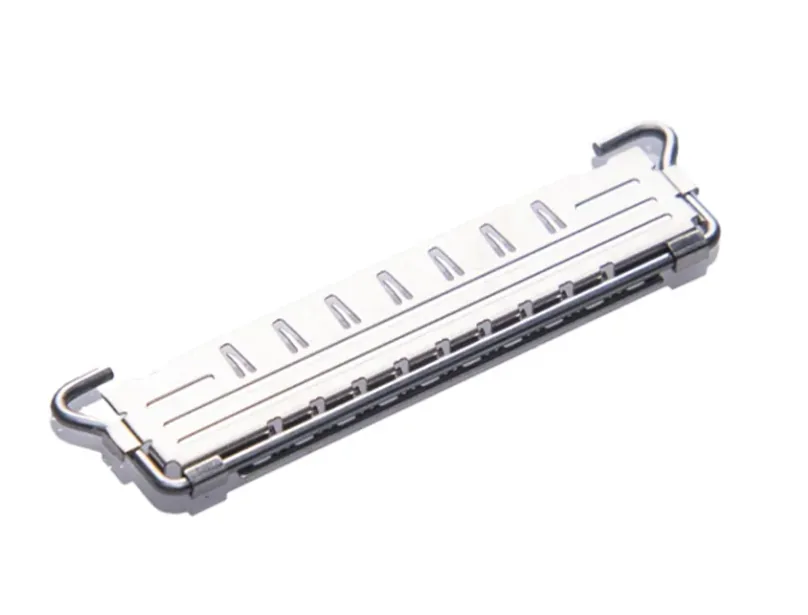
Improving Reliability Means Matching Design To Real Use
To reduce signal loss and improve reliability, buyers should evaluate the full application environment. This includes cable length, routing path, vibration condition, thermal exposure, maintenance frequency, and available installation space. Sample verification under realistic assembly conditions is especially useful because many LVDS problems do not show up in simplified bench testing. The best procurement result comes from choosing a connector and cable assembly that remain stable after installation, operation, and long-term product use.
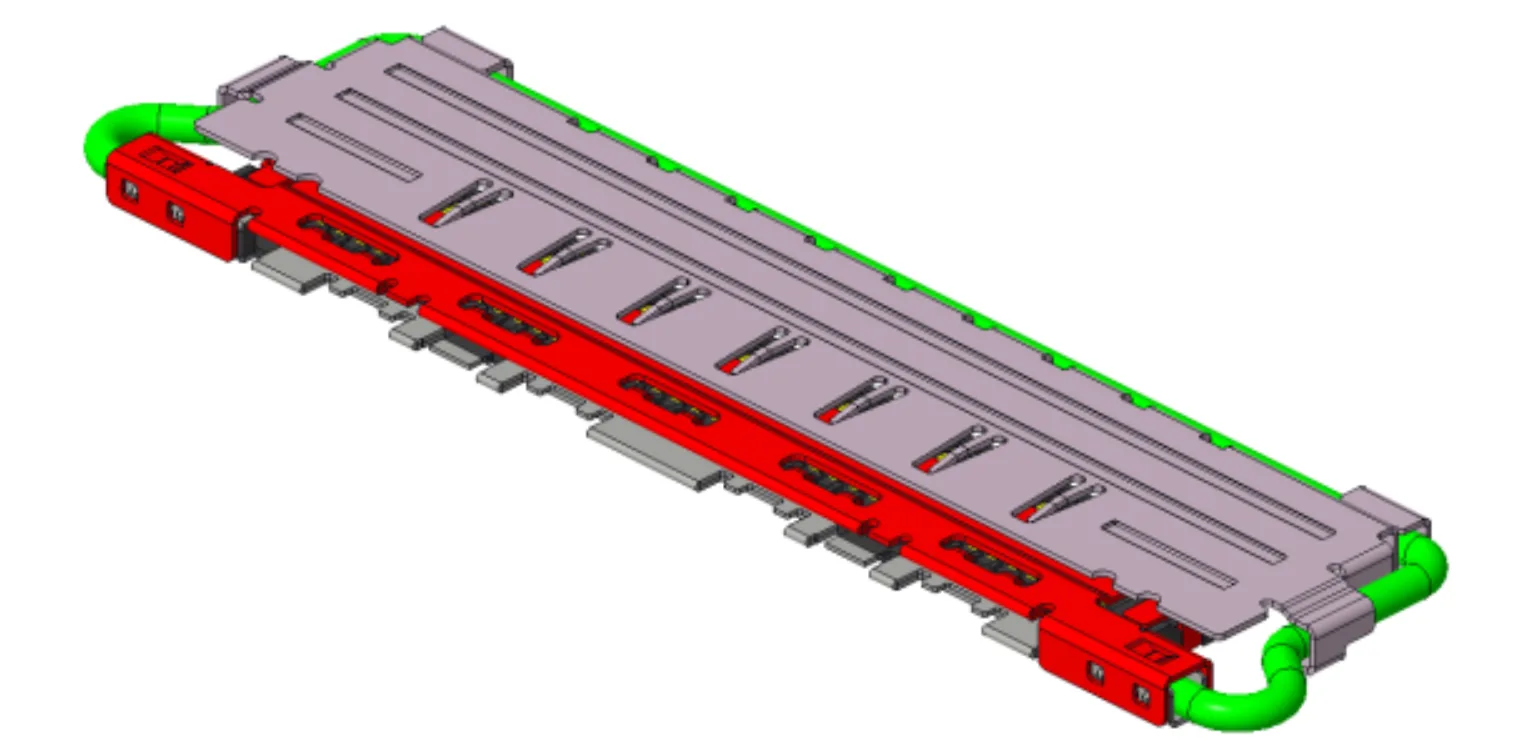
Related product and article resources
For procurement comparison and technical evaluation, readers can continue with these related product pages and supporting articles.
Reliable LVDS performance is built on more than basic compatibility. Buyers should focus on signal path stability, contact consistency, cable routing, and full-system fit. When procurement decisions are made from this integrated perspective, signal loss and long-term risk can be reduced significantly.
Related connector categories for evaluation: 05mm Lvds 20454 With Pull. Related reading: board to board lvds connector faq.