
Board To Board Connector vs Wire To Board Connector: Key Differences
When designing or sourcing electronic devices, choosing between board to board connectors and wire to board connectors is a key decision. Each type serves different functions in circuit connection, structure design and application environments. Understanding their differences helps buyers avoid design mistakes and improve product reliability.
Get Quote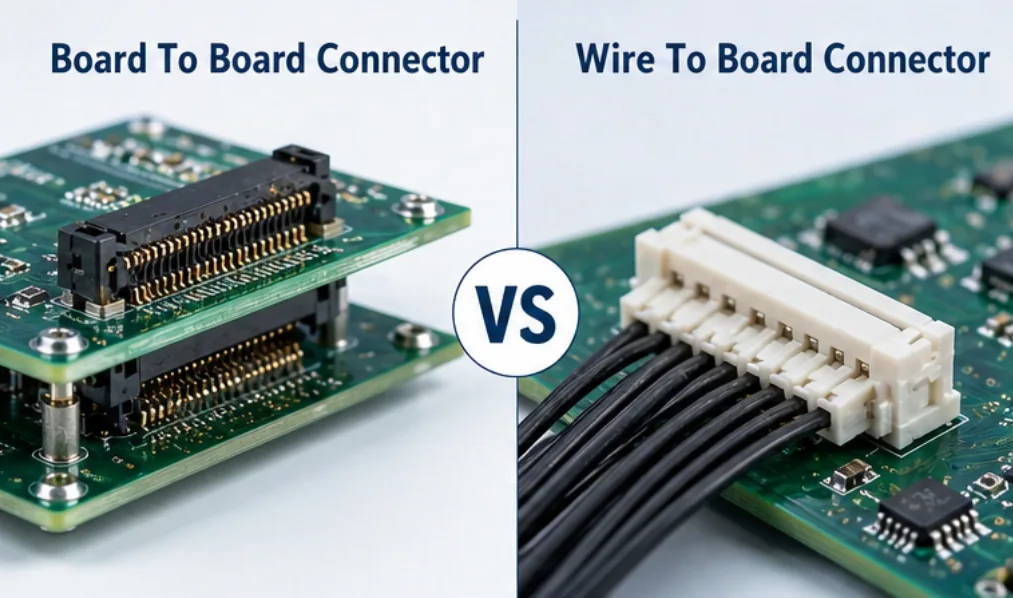
1. Structural Design Difference
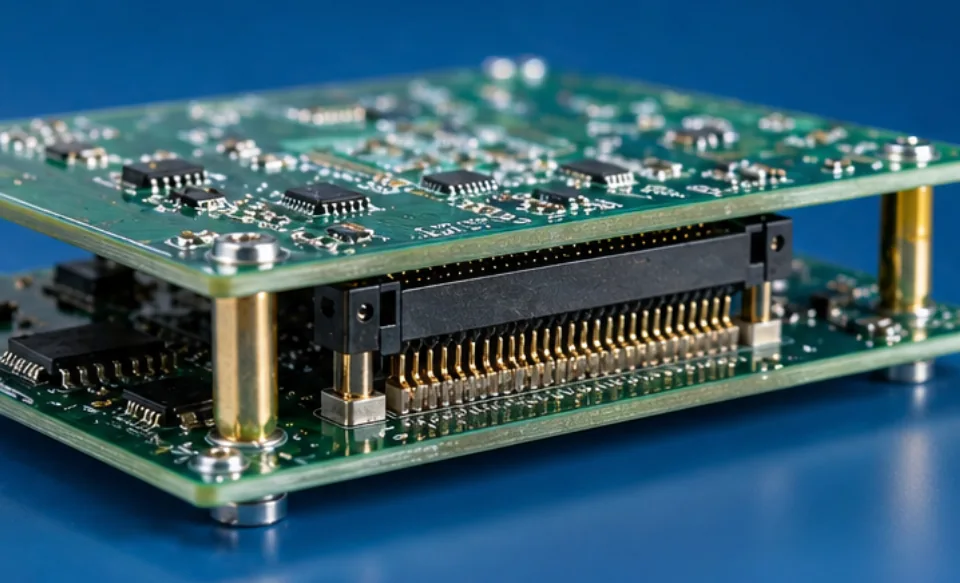
Board to board connectors are designed to connect two PCBs directly without additional wires. They are commonly used in compact electronic devices where space is limited and signal transmission must be stable and short-distance.
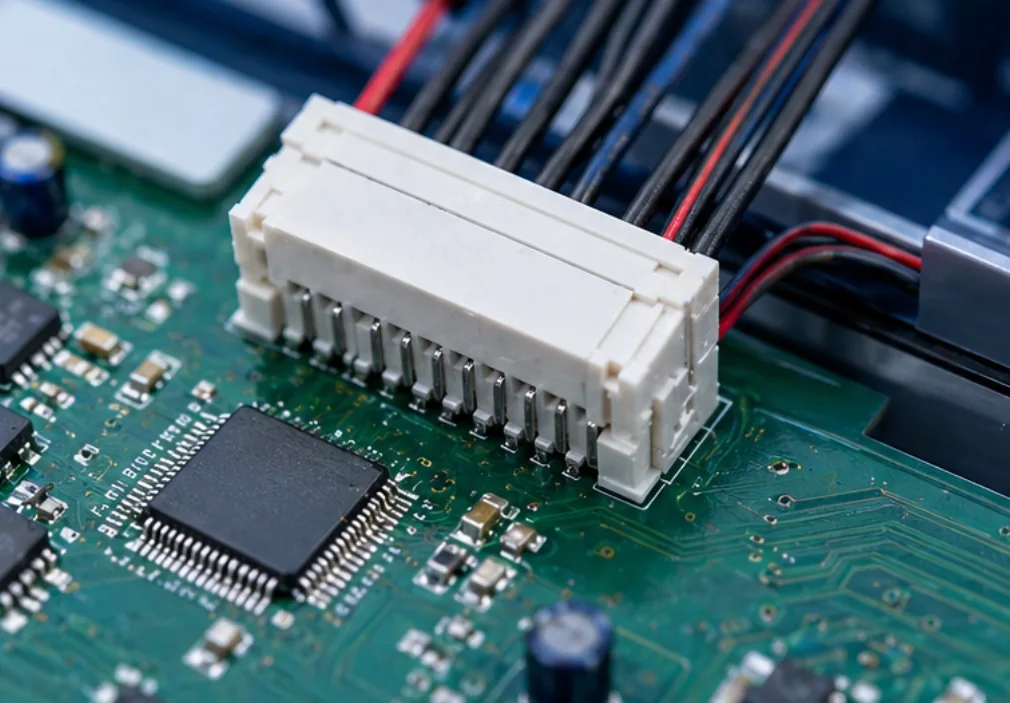
Wire to board connectors, on the other hand, connect a PCB to wires or cables. This allows flexible routing and longer distance connections between different modules or components. They are widely used in power connections, signal extension and modular design systems.
2. Application Scenarios
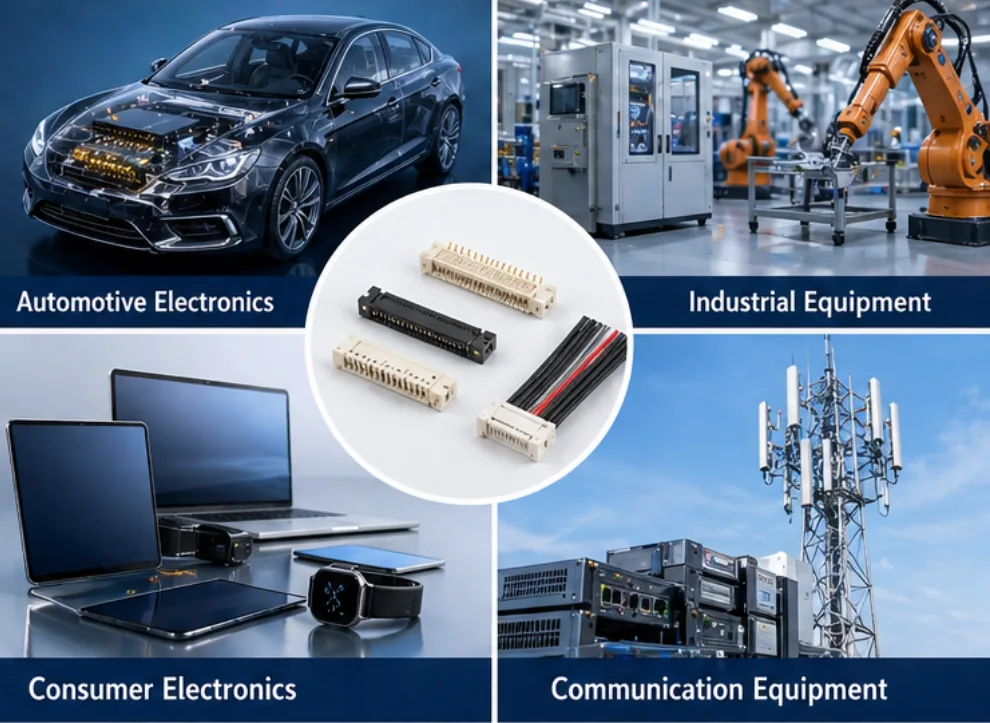
Board to board connectors are typically used in smartphones, laptops, industrial control boards, communication modules and compact embedded systems. They are ideal for high-density PCB layouts and miniaturized designs.
Wire to board connectors are commonly used in automotive wiring harnesses, home appliances, industrial equipment and power supply systems. They provide flexibility and are better suited for environments where vibration or movement is present.
3. Electrical Performance And Signal Transmission
Board to board connectors offer shorter transmission paths, which means better signal integrity, lower interference and higher speed capability. This makes them suitable for high-frequency and high-speed data applications.
Wire to board connectors involve cable transmission, which may introduce signal loss or interference over longer distances. However, they are more suitable for power transmission and applications where flexibility is required.
4. Assembly And Production Considerations
Board to board connectors are usually assembled using SMT processes. They require high precision in PCB design and production, but they allow automated manufacturing and compact product design.
Wire to board connectors require crimping or soldering wires before assembly. This adds an extra step in production but provides more flexibility in wiring and installation, especially in large equipment or systems.
5. Key Selection Comparison
| Item | Board To Board | Wire To Board |
|---|---|---|
| Connection Type | PCB to PCB | PCB to wire |
| Flexibility | Low | High |
| Signal Performance | High | Medium |
| Assembly | SMT | Crimp / Solder |
| Typical Use | Compact electronics | Power and wiring systems |
Conclusion
Board to board connectors are ideal for compact, high-density and high-speed electronic designs, while wire to board connectors are better for flexible connections and power transmission. The right choice depends on your product structure, electrical requirements and assembly process.
If you need help selecting the right connector or developing custom connector solutions, feel free to contact our engineering team for professional support.
Contact UsRelated product and article resources
For procurement comparison and technical evaluation, readers can continue with these related product pages and supporting articles.
Related connector categories for evaluation: Usb Type C Connectors. Related reading: step by step checklist for ordering custom wire harness connectors. More context: manufacturing and quality.