Low MOQ Custom Connector Supplier For New Product Development
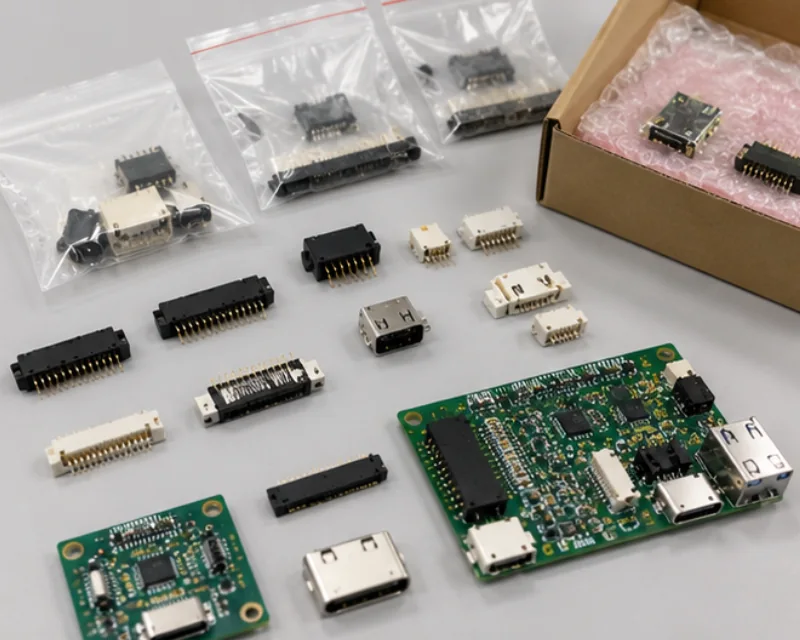
For new product development, buyers often need custom connectors in small quantities before mass production. A low MOQ custom connector supplier can support sample testing, drawing review, prototype development and early-stage production without forcing buyers to commit to large orders too early.
Get QuoteWhy Low MOQ Matters In New Product Development
During the early stage of product development, engineers and purchasing teams may still be testing PCB layout, product structure, connector direction, signal performance and assembly method. Large MOQ requirements can increase project cost and slow down design verification.
Low MOQ custom connector supply allows buyers to test samples, verify compatibility and adjust the design before moving into mass production. This is especially useful for startups, OEM projects, trial production, engineering validation and small-batch electronic device development.
What Information Buyers Should Prepare Before Requesting Samples
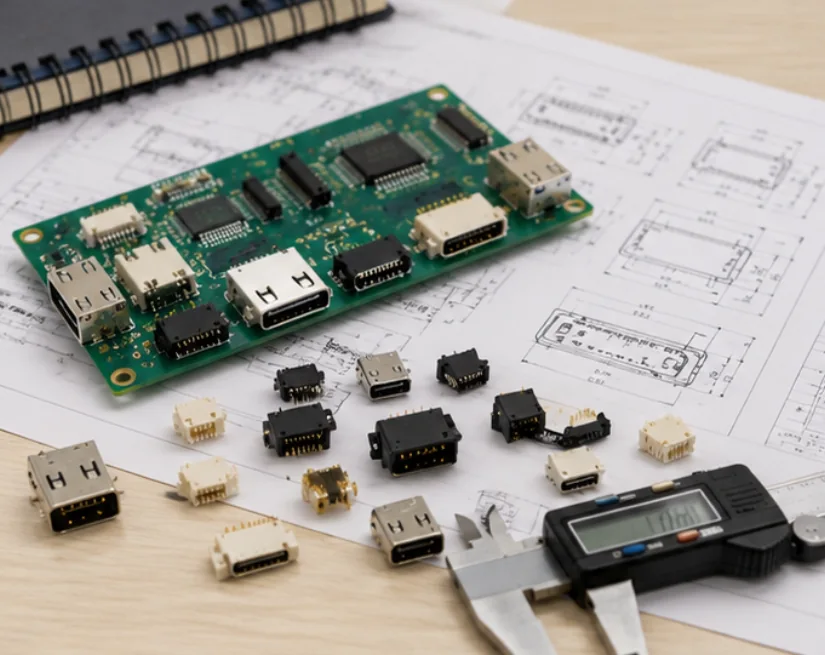
To get faster quotation and sample support, buyers should prepare drawings, PCB layout, reference connector models, pin count, pitch, mating height, current rating, voltage rating and application details. If drawings are not complete, sample photos or 3D structure files can also help the supplier evaluate feasibility.
Clear technical information helps the manufacturer judge whether an existing connector can be modified or whether a new mold is required. For low MOQ projects, using an existing platform can often reduce tooling cost and shorten sample lead time.
Sample Lead Time, Tooling Cost And Prototype Support
For custom connectors, sample lead time depends on product complexity, material availability, mold condition and required testing. If the connector is based on an existing series, samples may be prepared faster. If a new structure is required, tooling or fixture development may be necessary.
Buyers should confirm whether the supplier can support engineering samples, pre-production samples and small-batch trial orders. This helps reduce development risk before final product launch.
How To Balance Low MOQ And Long-Term Production Stability
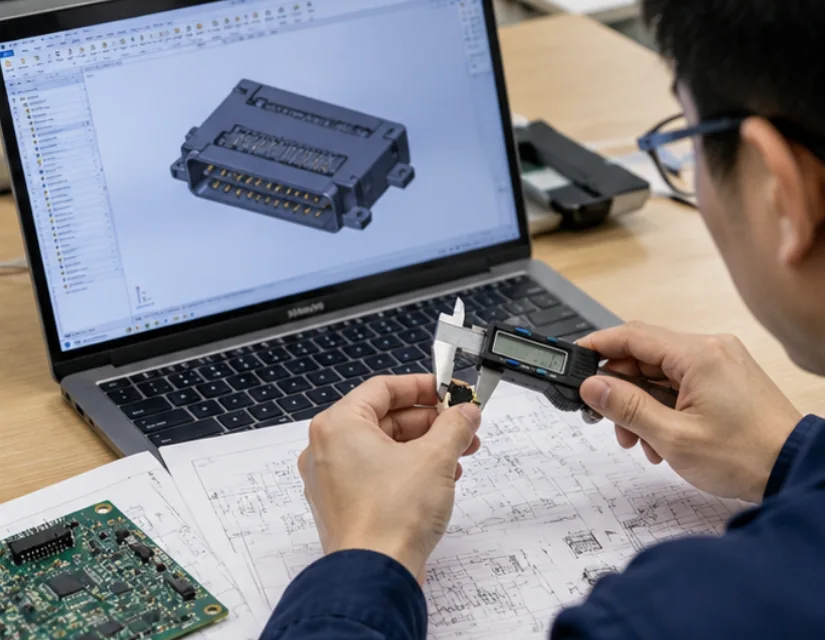
Low MOQ is important for early development, but buyers should also evaluate whether the supplier can support future volume production. A good custom connector supplier should be able to start with samples and small batches, then scale up to stable mass production when the project grows.
Before selecting a supplier, buyers should check production capability, material consistency, plating control, quality inspection and long-term delivery ability. This avoids changing suppliers after the product enters mass production.
Low MOQ Custom Connector RFQ Checklist
| Information Needed | Examples | Why It Matters |
|---|---|---|
| Development Stage | Prototype, EVT, DVT, trial production, mass production | Helps recommend sample or batch plan |
| Connector Type | Board to board, FPC, wire to board, Type-C, LVDS | Determines product platform and tooling needs |
| Technical Specs | Pitch, pin count, mating height, cable direction | Ensures correct sample matching |
| Electrical Requirement | Current, voltage, signal speed, contact resistance | Avoids performance mismatch |
| Sample Demand | 10 pcs, 50 pcs, 100 pcs, 500 pcs | Helps confirm low MOQ support |
| Future Volume | Monthly or annual forecast | Helps plan long-term production cost |
Conclusion
For new product development, low MOQ custom connector support helps buyers reduce early-stage cost, verify product design and prepare for future mass production. The right supplier should support samples, small batches, engineering review and scalable production.
If you need low MOQ custom connectors for prototype development, trial production or OEM electronic projects, please send your drawings, samples or specifications for quotation support.
Contact UsRelated connector categories for evaluation: Board To Board Connectors and Floating Board To Board Connectors. Related reading: how to evaluate connector suppliers for long term production stability. More context: manufacturing and quality.