
HDMI connectors are expected to carry high-speed audio and video signals with stable performance, yet many connection issues begin long before a device reaches end users. Procurement problems often show up as unstable signal transmission, loose mating, intermittent display failure, or shortened service life after repeated use. In many projects, the reason is not the interface standard itself, but the mismatch between connector design and real application conditions. Choosing a reliable HDMI connector means understanding what causes failure in practice and what should be confirmed before procurement.
High-Speed Signal Integrity And Why Some HDMI Connectors Underperform
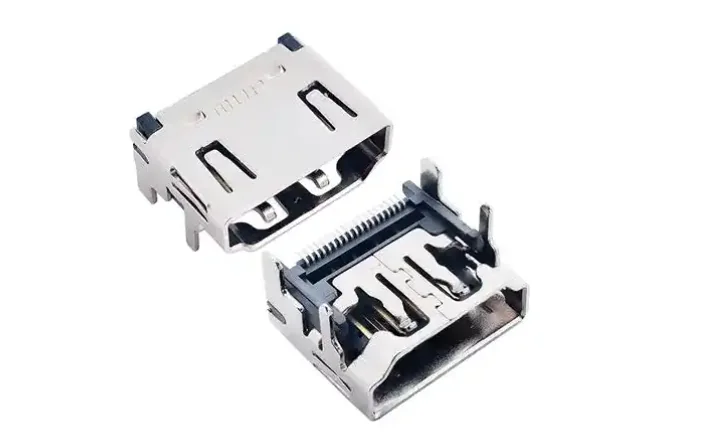
One major reason HDMI connectors fail in actual use is weak signal integrity control. At higher data rates, contact stability, terminal precision, impedance consistency, and shielding design become much more important. A connector that is acceptable for basic use may not perform well in devices requiring stable high-definition transmission or long-term signal consistency. Buyers should pay close attention to the connector’s internal layout, contact quality, and the consistency of critical dimensions that affect mating and signal flow. When signal-related performance is not stable, problems may appear as screen flicker, image interruption, or unstable transmission under repeated use.
Mechanical Structure, Mating Stability, And Repeated Plugging Performance
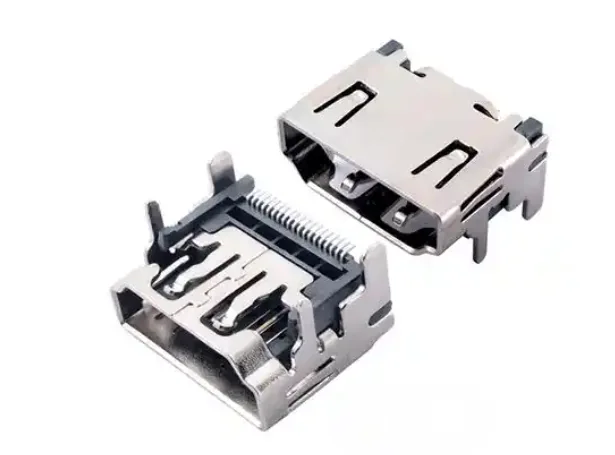
HDMI connectors also fail when their mechanical design cannot handle real-world plugging and use conditions. Port retention, shell rigidity, contact wear resistance, and terminal holding force all affect long-term reliability. In products where users frequently plug and unplug cables, poor structural strength can lead to looseness, contact instability, or shell deformation. Even where insertion frequency is lower, vibration, cable pull, and enclosure stress may reduce connector life. Buyers should evaluate not only whether the connector fits the port today, but whether it can maintain a stable connection after repeated use and external force.
Choosing A Reliable HDMI Connector: Fit, Durability, And Long-Term Risk
A reliable HDMI procurement strategy should combine signal performance, structural durability, and product integration fit. Buyers should verify how well the connector matches the PCB layout, enclosure space, cable design, and expected use pattern. It is also helpful to check performance under repeated mating, thermal variation, and handling stress. Long-term reliability is often the result of balanced design rather than a single “high spec” number. The best HDMI connector is the one that keeps both signal transmission and physical connection stable throughout the product’s working life.
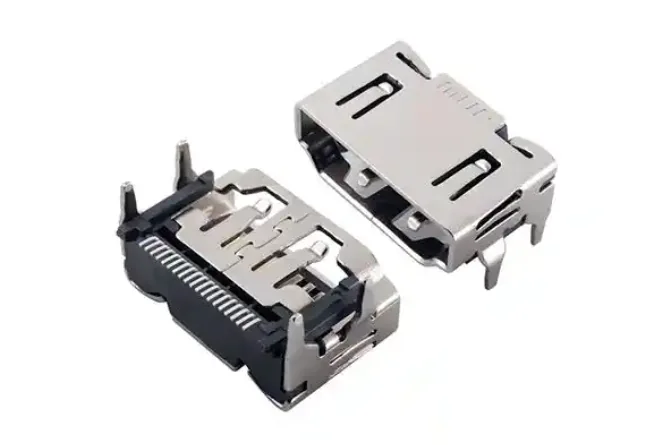
HDMI connector failure in real use is usually caused by weak signal control, insufficient mechanical durability, or poor application matching. Buyers can reduce risk significantly by reviewing signal integrity, repeated-use performance, and long-term structural stability before procurement.
Related connector categories for evaluation: Board To Board Connectors and Usb Type C Connectors. Related reading: step by step checklist for ordering custom wire harness connectors. More context: manufacturing and quality.