
FPC connectors are widely used in compact electronic products where space, flexibility, and precise signal connection all matter. But in procurement, the challenge is not only finding a connector that matches the cable. The real concern is whether the connector can support stable insertion, secure retention, and long-term reliability in small devices with limited room for error. In precision electronics, even a minor mismatch in structure or contact stability can lead to assembly loss or performance issues later.
FPC Connector Selection Starts With Real Device Requirements
The first step in choosing an FPC connector is understanding the device structure and use condition. Buyers should confirm cable thickness, pitch, insertion direction, mounting space, locking structure, and frequency of use. Many FPC connector issues happen because the connector seems dimensionally correct but does not fit the actual assembly logic of the product. In compact devices, even small differences in height, orientation, or cable routing can affect assembly efficiency and long-term performance. Procurement should therefore focus on real product fit, not only basic specification matching.
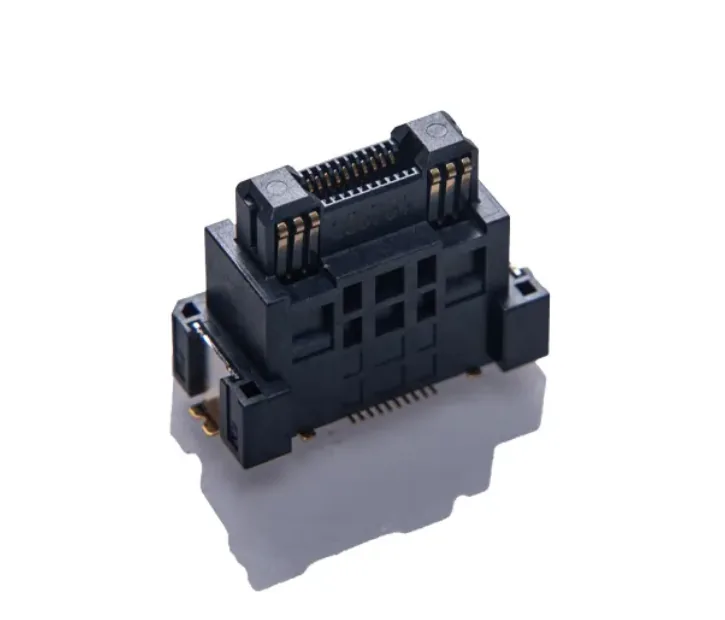
Contact Precision, Locking Structure, And Assembly Stability
For small and precision devices, contact design and locking reliability are critical. Buyers should review terminal structure, contact force, locking mechanism, insertion stability, and resistance to accidental loosening. Since FPC connectors are often used in very tight assemblies, small installation errors can immediately affect electrical continuity or retention. A reliable locking structure helps protect the connection during assembly, transport, and product use. The more compact the device, the more important stable contact and secure cable fixation become.
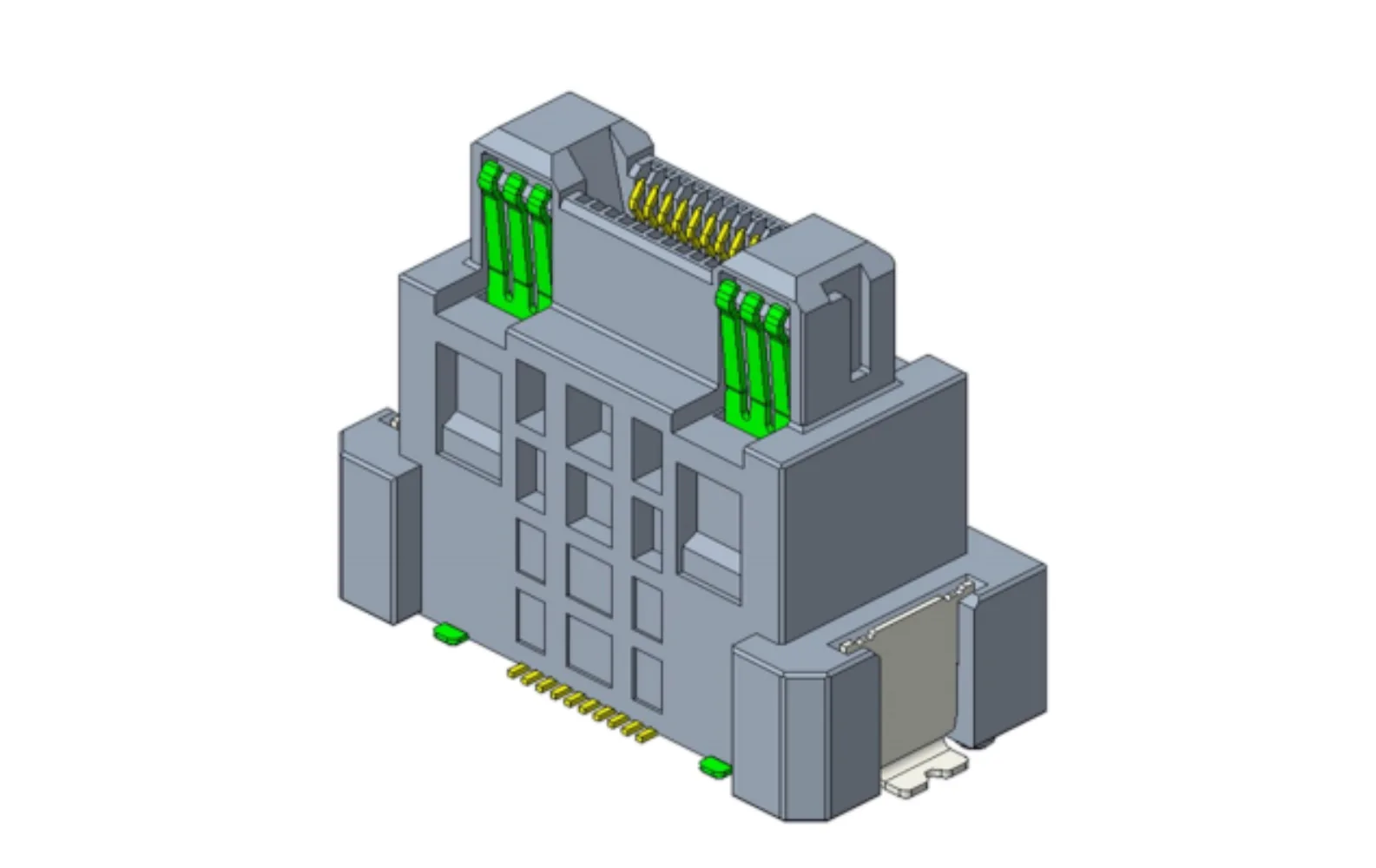
Long-Term Reliability In Precision Electronics
An FPC connector should also maintain performance over time. Buyers should consider repeated opening and closing, environmental stress, thermal behavior, and product handling during service life. In precision devices, connection instability may not appear immediately, but can emerge after vibration, heating, transport, or repeated maintenance. Procurement becomes safer when the connector is evaluated not only for first-fit success but also for long-term retention and contact durability. The best connector is one that stays precise after real use, not just during the first assembly.
Choosing an FPC connector for small and precision devices requires more than matching pitch and size. Buyers should focus on actual product fit, contact precision, locking security, and long-term performance. A connector that remains stable over time creates much lower assembly risk and better product consistency.
Related connector categories for evaluation: Lvds Connectors and 05mm Lvds 20454 With Pull. Related reading: board to board lvds connector faq.