
Custom wire harnesses are widely used in industrial equipment, control systems, electronic devices, medical units, automotive assemblies, and many other applications where routing, connection stability, and assembly efficiency all matter. Procurement teams often focus on whether the harness can fit the required path and interface points, but reliability depends on much more than dimensional fit. In complex equipment and tight spaces, long-term performance is shaped by routing logic, terminal stability, strain control, and overall assembly compatibility.
Reliability Starts With Correct Routing And Structural Planning
A custom wire harness becomes more reliable when its routing is planned around the actual equipment structure. Buyers should review cable path, bend radius, fixing points, branch layout, connector position, and space constraints before treating the design as final. In tight assembly spaces, poor routing may create tension, friction, interference, or long-term stress that gradually damages the harness or weakens the connection. The right harness layout should reduce strain and simplify installation rather than forcing the assembly team to adapt around a difficult design.
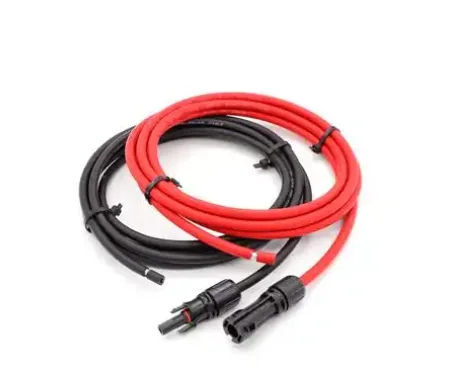
Terminal Connection, Retention, And Assembly Stability
Another key factor is the quality of the connection system itself. Buyers should pay attention to terminal engagement, connector locking, crimp consistency where relevant, and harness stability after installation. In complex equipment, vibration, thermal change, repeated maintenance, and movement can all weaken a poorly controlled connection over time. Procurement decisions should therefore consider the harness not just as a group of wires, but as an integrated connection system that must remain mechanically and electrically stable during real use.
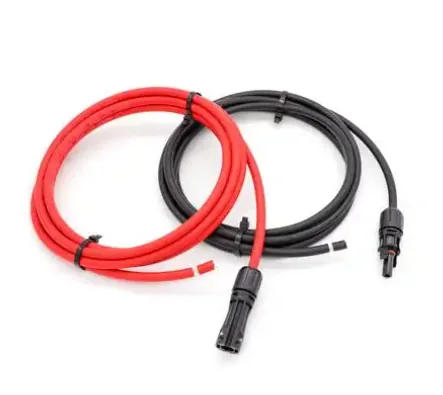
Tight Assembly Spaces Require Better Fit And Lower Hidden Risk
In compact equipment, even a small mismatch in wire harness length, branch direction, or connector orientation can reduce assembly efficiency and increase hidden reliability risk. Buyers should review whether the harness supports smooth installation, secure positioning, and future maintenance access. A reliable custom wire harness should improve workflow rather than complicate it. Long-term value often comes from reducing assembly loss, preventing stress concentration, and supporting consistent product quality across repeated builds.
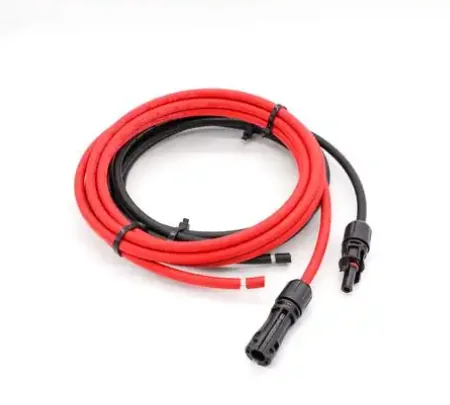
A reliable custom wire harness is built around the real structure of the equipment, not just around a list of connection points. Buyers who focus on routing logic, connection stability, and compact-space compatibility can greatly reduce assembly risk and improve long-term product reliability.
Related connector categories for evaluation: Board To Board Connectors and Usb Type C Connectors. Related reading: step by step checklist for ordering custom wire harness connectors. More context: manufacturing and quality.