
30 Pin LVDS Connector Supplier For HMI Display Panels
30 pin LVDS connectors are widely used in HMI display panels, industrial LCD modules, embedded monitors, control terminals and automation display systems. Choosing a reliable LVDS connector supplier helps ensure stable image transmission, secure cable retention and long-term display reliability in industrial environments.
Get QuoteWhy 30 Pin LVDS Connectors Are Common In HMI Display Panels
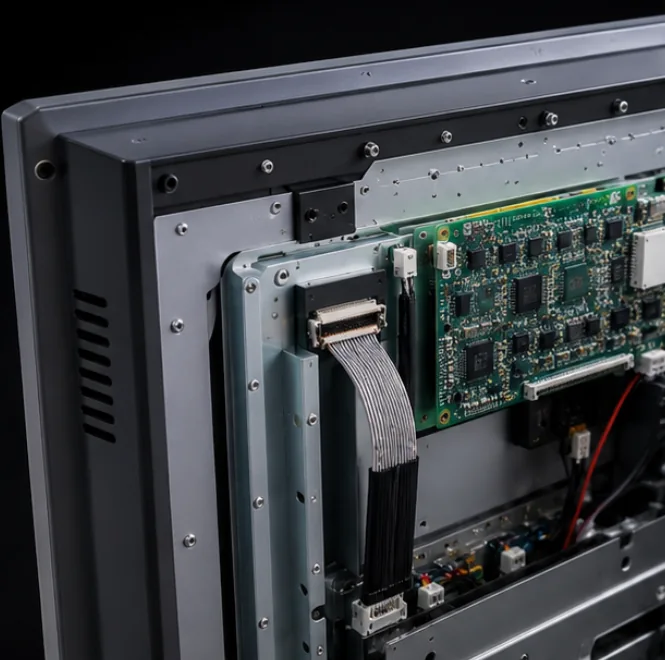
Human Machine Interface (HMI) panels require reliable communication between LCD display modules and control boards. A 30 pin LVDS connector provides enough signal channels for display communication while maintaining a compact footprint inside industrial display systems.
These connectors are commonly used in industrial touch screens, PLC display terminals, factory automation panels, medical monitors, embedded display systems and smart control interfaces. Stable signal transmission is critical because display interruption may affect machine operation and monitoring functions.
Key Specifications Buyers Should Confirm
Before requesting a quotation, buyers should confirm pin count, pitch, cable direction, mounting style, connector height, operating temperature range and LVDS signal requirements.
For HMI display panels, cable routing direction is particularly important because enclosure depth and display structure often limit installation space. Proper connector selection helps simplify assembly and improve long-term reliability.
Signal Integrity And Contact Reliability
LVDS technology is designed for high-speed differential signal transmission. Connector contact quality directly affects image stability, display refresh performance and communication reliability.
Copper alloy terminals combined with precision plating help maintain low contact resistance and stable signal integrity. Buyers should evaluate contact resistance, insertion force, retention strength and plating consistency before approving samples.
Supplier Capability For Industrial Display Projects
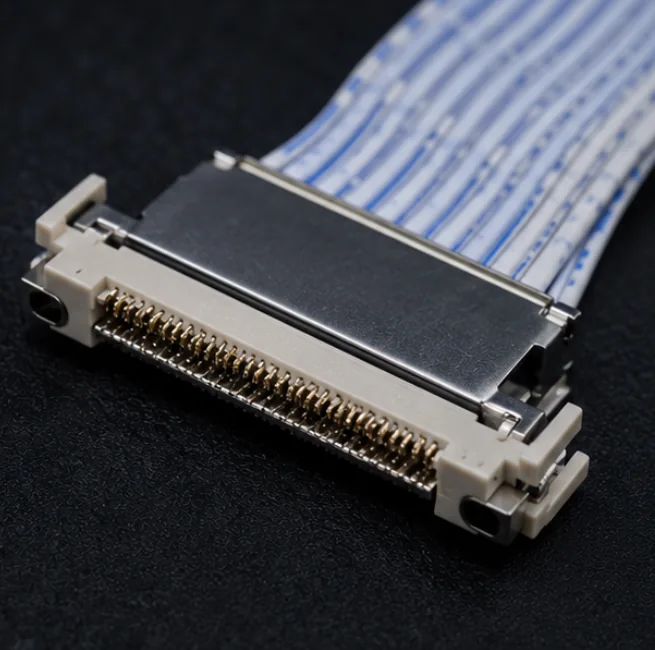
A professional 30 pin LVDS connector supplier should support precision terminal stamping, injection molding, automated assembly, cable matching support and quality inspection.
For OEM HMI projects, stable production capability and long-term supply are important because industrial display products often remain in service for many years and require ongoing replacement support.
30 Pin LVDS Connector RFQ Checklist
| Information Needed | Examples | Why It Matters |
|---|---|---|
| Pin Count | 30 Pin | Confirms connector family |
| Application | HMI display, LCD module, embedded monitor | Determines reliability requirements |
| Cable Direction | Top entry, side entry, rear entry | Affects assembly space |
| Signal Requirement | LVDS differential signal | Ensures display performance |
| Packaging | Tray, tape-and-reel | Supports production efficiency |
| Annual Demand | Prototype, pilot run, mass production | Used for quotation calculation |
Conclusion
30 pin LVDS connectors provide reliable display signal transmission solutions for HMI panels and industrial LCD systems. Proper evaluation of cable direction, signal requirements, contact quality and supplier capability helps improve product stability and service life.
If you need 30 pin LVDS connectors for HMI display panels, embedded monitors or industrial display systems, please send your drawings and specifications for quotation support.
Contact UsBuyer Focus For 30 Pin LVDS Connector Supplier For HMI Display Panels
30 Pin LVDS Connector Supplier For HMI Display Panels is valuable for buyers who handle HMI panels, industrial LCD screens, automotive displays, camera interfaces, or other high density signal boards. LVDS connector selection depends on pin count, pitch, cable route, shielding, impedance control, locking structure, and long term signal stability. A stronger article should explain how the connector affects display reliability rather than simply listing a model name.
Connector Selection Checklist
confirm the panel interface, pin assignment, cable length, and installation direction before choosing the connector
check whether the connector supports stable contact resistance for vibration and temperature changes
review EMI sensitivity, shielding needs, and routing space around the display board
ask for samples and dimensional drawings before confirming mass production
compare packaging, inspection, and replacement availability when the project has a long service cycle
Sample And Acceptance Notes
A practical acceptance process should include visual inspection, mating test, continuity test, signal stability check, and fit confirmation inside the display structure. If the project is used in industrial or vehicle environments, vibration and thermal cycling should also be part of the sample review.
How Buyers Should Use This Guide
Use this article as a short engineering checklist before sending an inquiry. The goal is to connect the search keyword with a real connector selection process: identify the application, confirm the mechanical envelope, verify electrical performance, request samples, and review production support. This helps visitors move from reading a news article to browsing Weicheng product pages, factory capability, testing information, and application cases.
Related Weicheng Connector Pages
The following internal pages keep the visitor inside the same website and give search engines a clearer relationship between procurement guides, connector categories, product details, testing capability, and factory strength.
Extra RFQ Details For Faster Quotation
A serious RFQ should include product drawings, current connector model, photos of the application, PCB thickness, cable route, mating height, target operating temperature, expected annual volume, sample quantity, and the required delivery schedule. With that information, Weicheng can judge whether a standard connector series is suitable or whether the buyer should compare another pitch, stack height, locking style, or packaging method. This makes the page more useful for real buyers and helps search engines understand that the article covers connector sourcing, sample validation, engineering review, and production support.
Drawing Sample And Production Risk Notes
Before a connector project moves from inquiry to sample approval, the buyer should prepare the drawing, current part number, board layout limits, mating height, working temperature, current requirement, signal requirement, cable or PCB thickness, and the expected annual demand. This information allows Weicheng to recommend a connector family more accurately and prevents the common mistake of selecting by photo only.
During sample validation, engineers should check the connector on the real board or cable assembly. Useful checks include soldering stability, coplanarity, terminal alignment, plating quality, latch strength, insertion force, withdrawal force, contact resistance, and packaging condition after transportation. For automotive electronics, industrial control, display modules, smart home devices, and portable electronics, these details affect production yield and field reliability. Adding them to the article makes the page more useful to real procurement visitors and strengthens the internal topic relationship between connector guides, product categories, factory capability, and testing support.